VIEW VIDEO
Related Videos
VIEW VIDEO
Related Videos
Hair Transplant for Scar Coverage: An Option to Help Hair Blend More Naturally
Scars along the hairline are a concern that some people experience after forehead surgery. Although the incision may heal well, hair may not grow through the scar tissue, making the area more noticeable especially when wearing hairstyles that expose the forehead, such as a ponytail or slicked back style.
Today, hair transplantation for scar coverage is one option that may help improve the appearance of the hairline by allowing hair to grow around the scar and blend more naturally with the surrounding hair. However, whether this treatment is suitable depends on an individual medical assessment performed by a qualified physician.
Can Hair Be Transplanted Into a Forehead Surgery Scar?
In some cases, a well-healed scar from forehead augmentation surgery may be suitable for hair transplantation if the skin condition and blood supply in the area are considered appropriate.
Before developing a treatment plan, the physician will evaluate several factors, including:
- The amount of time that has passed since the surgery
- The size and characteristics of the scar
- The flexibility and condition of the surrounding skin
- The quality and availability of donor hair follicles
A thorough consultation and assessment help determine whether hair transplantation is an appropriate option and allow the treatment plan to be tailored to each individual’s needs.
Case Example: Hair Transplant for a Hairline Scar
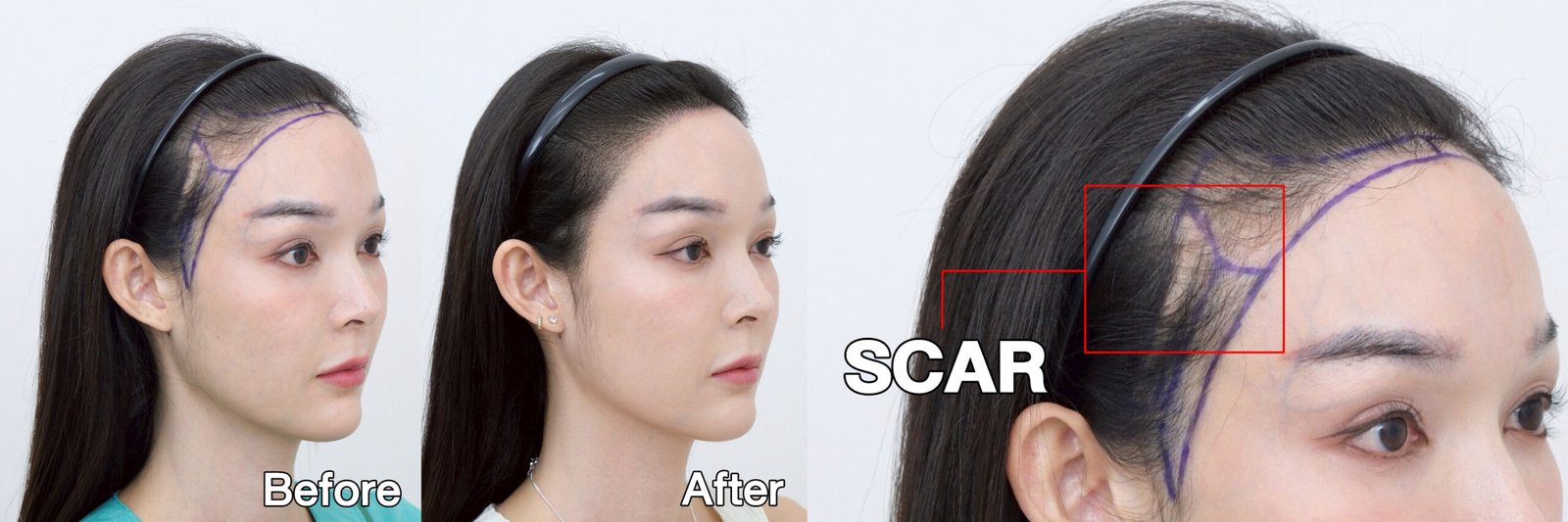
One of our patients had previously undergone forehead augmentation surgery. Although the scar had healed, it remained visible along the hairline, especially when wearing hairstyles that exposed the forehead.
After evaluating the scalp and scar tissue, the physician determined that the area was suitable for a localized hair transplant.
The treatment plan focused on helping the transplanted hair blend naturally with the existing hair by considering hair direction, density, and the overall hairline design.
Note: Results vary between individuals depending on scalp condition, donor hair quality, healing response, and post-procedure care.
Hair Transplant Process for Scar Coverage
1. Scalp and Scar Assessment : Assess the scalp and scar area.
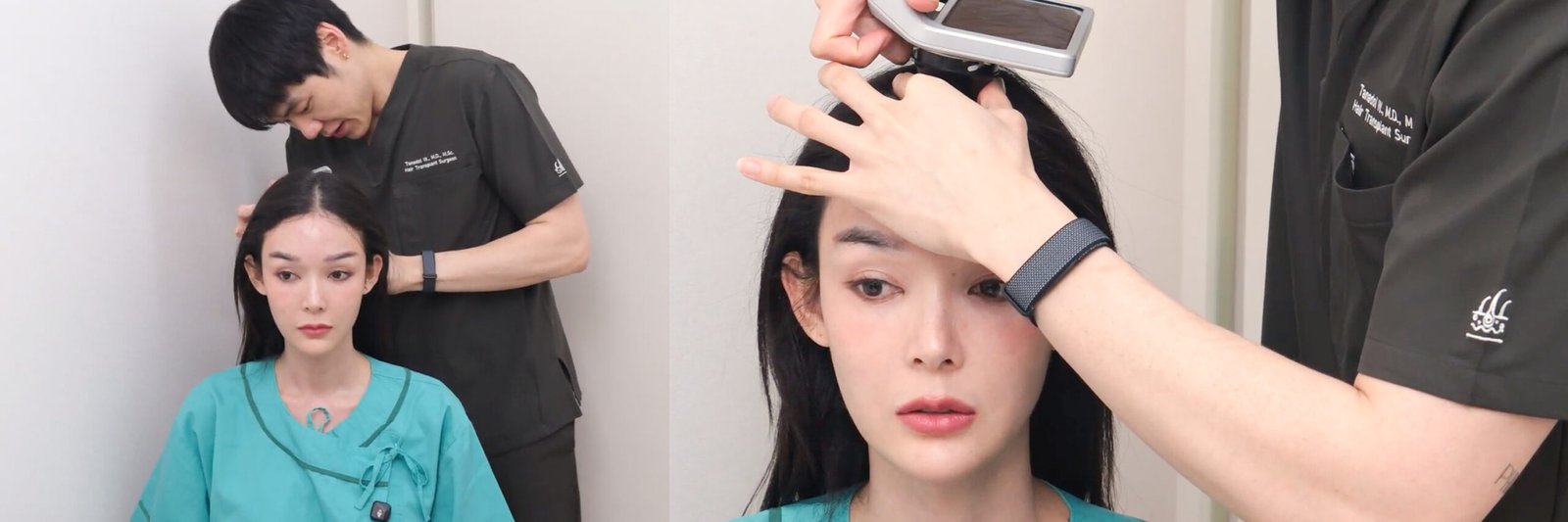
2. Hairline Design : Design the hairline and treatment plan.
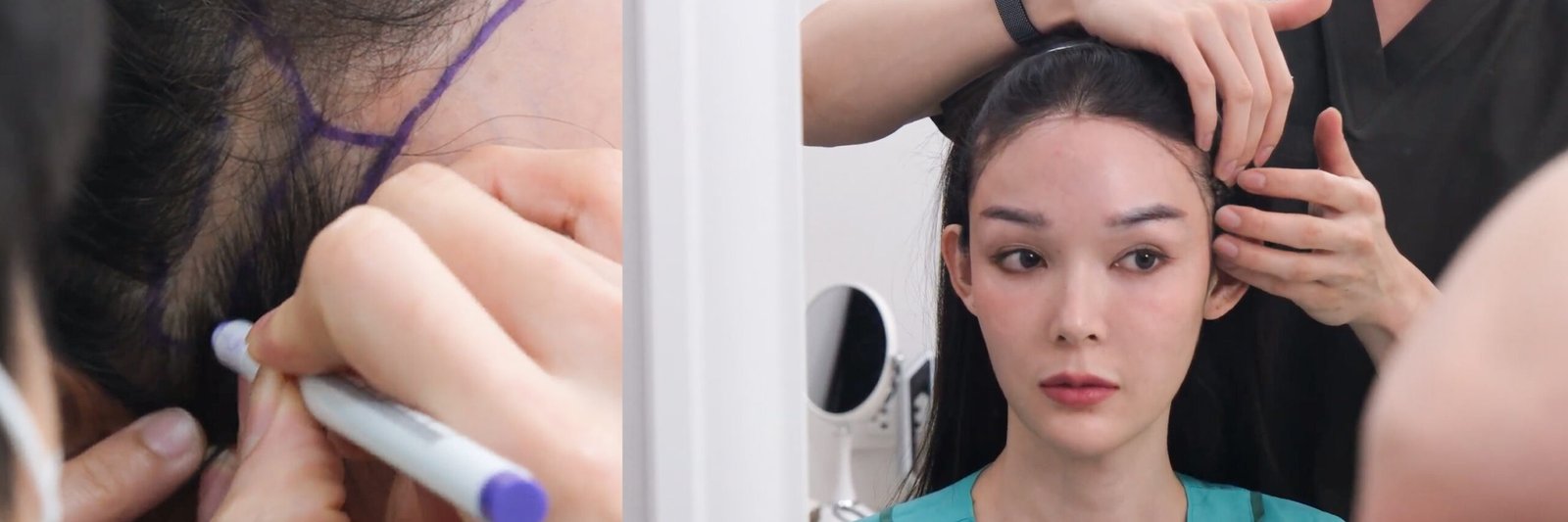
3. Graft Assessment : Assess the number of grafts required.
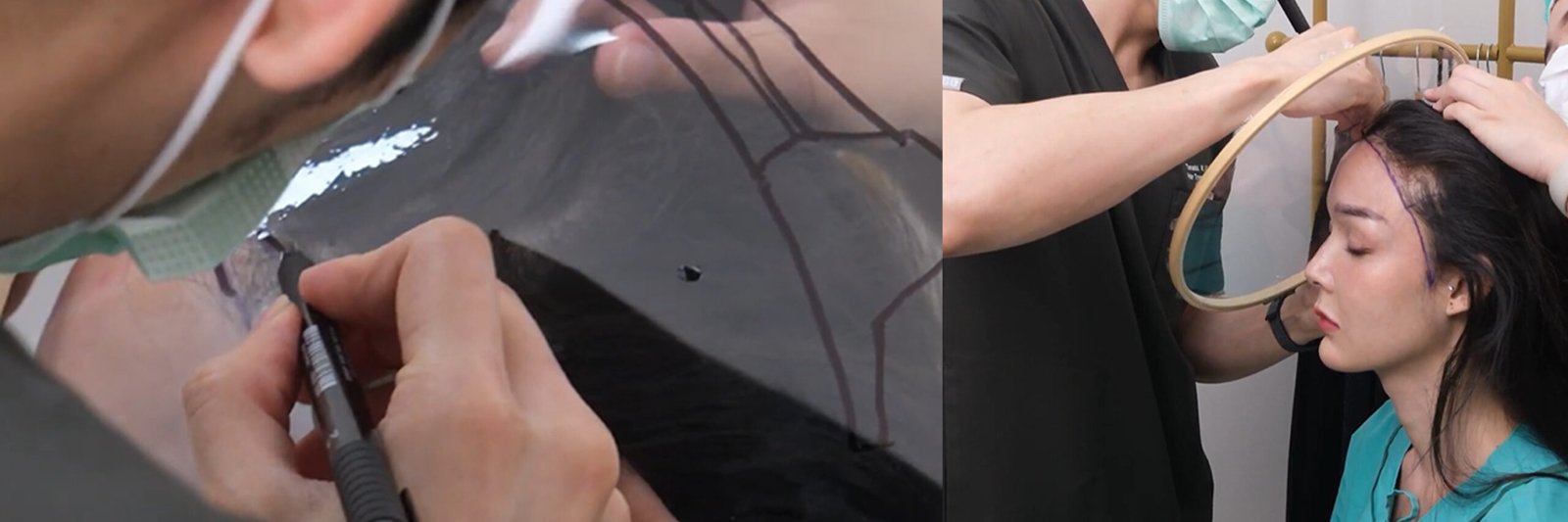
4. Donor Hair Selection : Select donor hair from the back of the scalp.
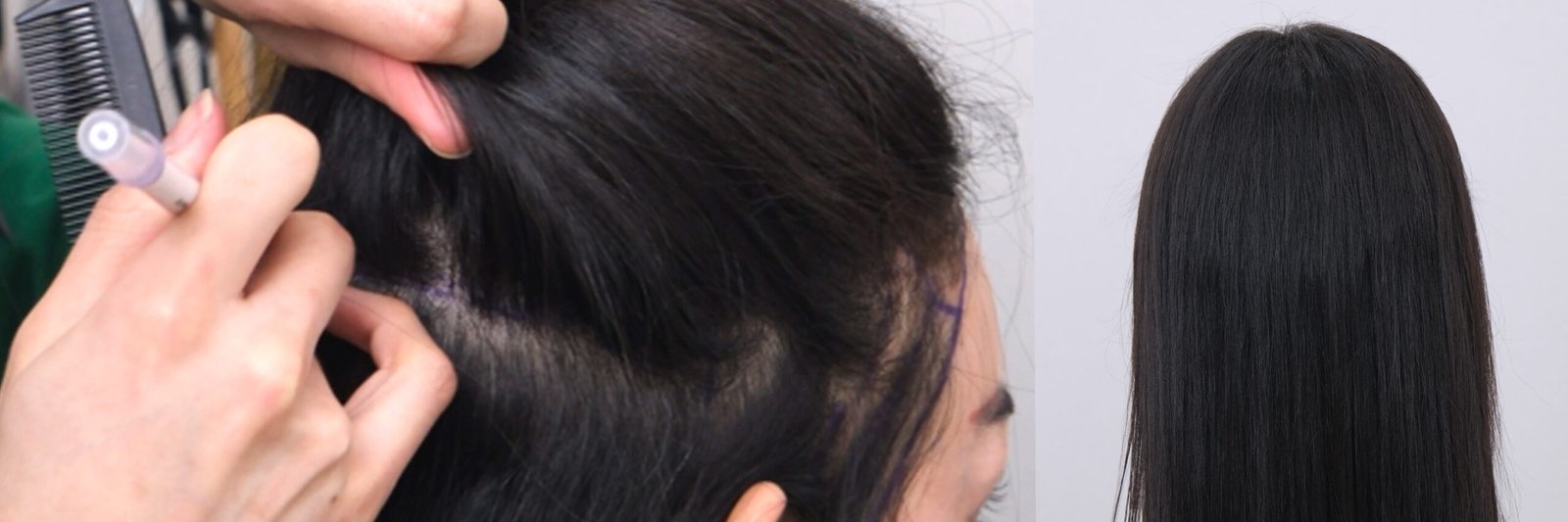
5. Local Anesthesia : Apply local anesthesia before graft extraction.
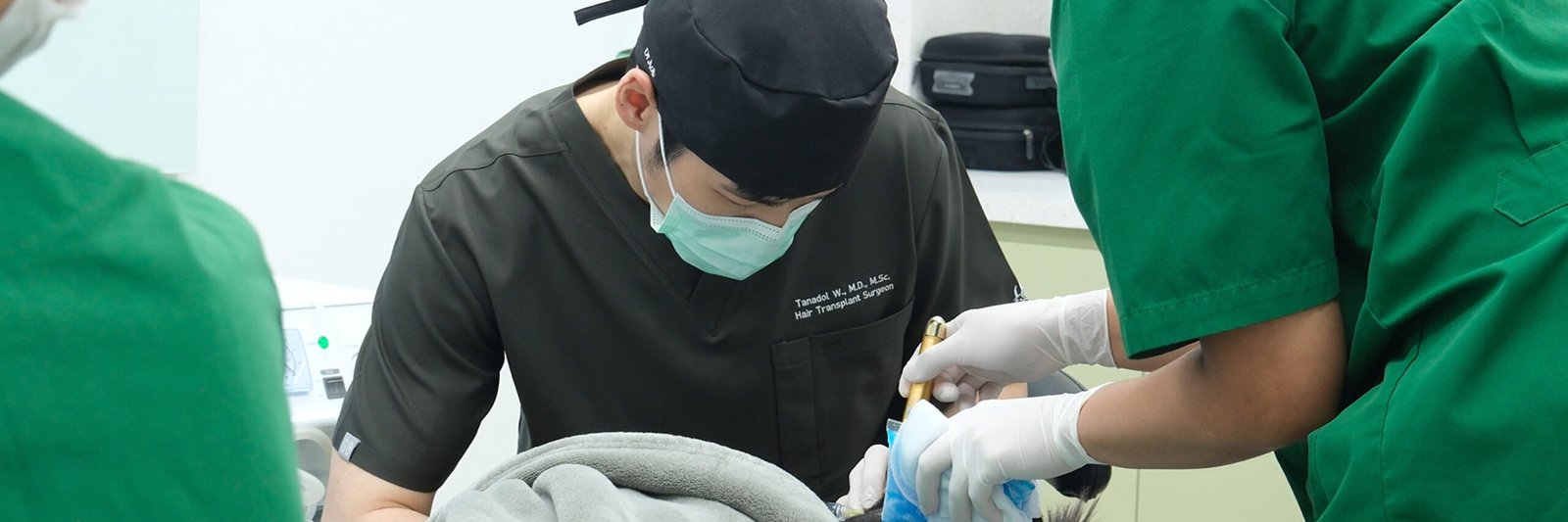
6. Graft Extraction : Extract and sort healthy grafts.
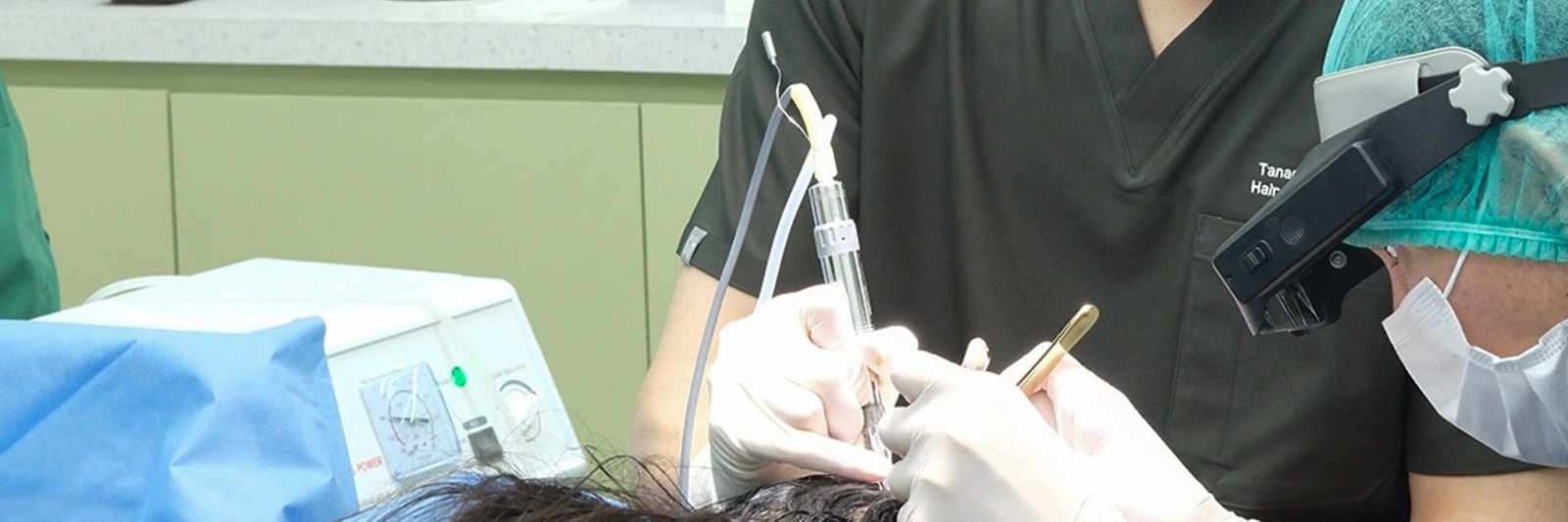
7. Hair Transplant : Implant the grafts into the hairline and scar area.
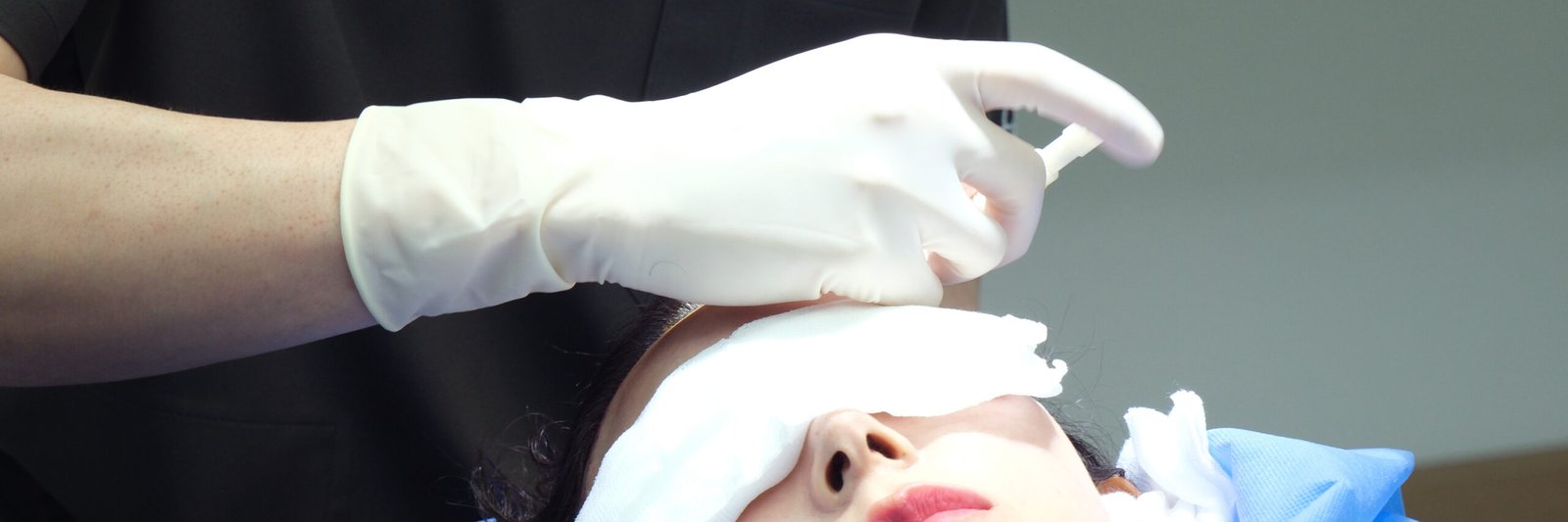
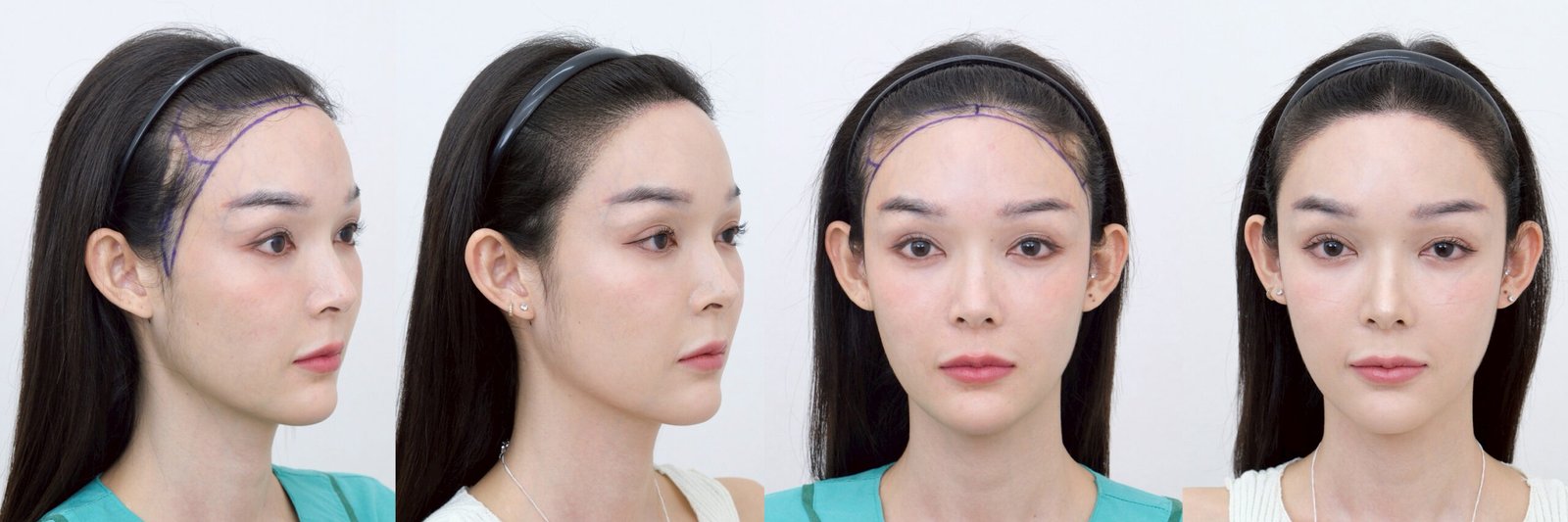
Hair follicles are settling and growing gradually.
Results at 14 Days After Non-Shaven FUE Hair Transplant
A more natural-looking hairline with improved coverage of the scar area.
Aftercare
Follow your physician’s aftercare instructions, including:
- Keep the scalp clean as advised.
- Avoid touching or bumping the transplanted area.
- Take prescribed medication and attend follow-up appointments.
- Follow recovery guidelines for daily activities.
A forehead surgery scar can sometimes create a visible gap along the hairline. Hair transplantation in the scar area may help the hairline appear more even and natural. Suitability for treatment should always be evaluated by a physician, as results vary from person to person.
If you have a hairline scar and would like to learn more about your options, feel free to contact our team for a consultation.
📞 Book a Hair Transplant Consultation at MediHair
📍 Gaysorn | Emsphere | Aman Nai Lert Medical Wellness
📱 LINE: @medihairclinic
📞 Tel 061-746-5995
🌐 www.medihair.co.th
Hair Transplant for Scar Coverage: An Option to Help Hair Blend More Naturally
Scars along the hairline are a concern that some people experience after forehead surgery. Although the incision may heal well, hair may not grow through the scar tissue, making the area more noticeable especially when wearing hairstyles that expose the forehead, such as a ponytail or slicked back style.
Today, hair transplantation for scar coverage is one option that may help improve the appearance of the hairline by allowing hair to grow around the scar and blend more naturally with the surrounding hair. However, whether this treatment is suitable depends on an individual medical assessment performed by a qualified physician.
Can Hair Be Transplanted Into a Forehead Surgery Scar?
In some cases, a well-healed scar from forehead augmentation surgery may be suitable for hair transplantation if the skin condition and blood supply in the area are considered appropriate.
Before developing a treatment plan, the physician will evaluate several factors, including:
- The amount of time that has passed since the surgery
- The size and characteristics of the scar
- The flexibility and condition of the surrounding skin
- The quality and availability of donor hair follicles
A thorough consultation and assessment help determine whether hair transplantation is an appropriate option and allow the treatment plan to be tailored to each individual’s needs.
Case Example: Hair Transplant for a Hairline Scar
One of our patients had previously undergone forehead augmentation surgery. Although the scar had healed, it remained visible along the hairline, especially when wearing hairstyles that exposed the forehead.
After evaluating the scalp and scar tissue, the physician determined that the area was suitable for a localized hair transplant.
The treatment plan focused on helping the transplanted hair blend naturally with the existing hair by considering hair direction, density, and the overall hairline design.
Note: Results vary between individuals depending on scalp condition, donor hair quality, healing response, and post-procedure care.
Hair Transplant Process for Scar Coverage
1. Scalp and Scar Assessment : Assess the scalp and scar area.
2. Hairline Design : Design the hairline and treatment plan.
3. Graft Assessment : Assess the number of grafts required.
4. Donor Hair Selection : Select donor hair from the back of the scalp.
5. Local Anesthesia : Apply local anesthesia before graft extraction.
6. Graft Extraction : Extract and sort healthy grafts.
7. Hair Transplant : Implant the grafts into the hairline and scar area.
Hair follicles are settling and growing gradually.
Results at 14 Days After Non-Shaven FUE Hair Transplant
A more natural-looking hairline with improved coverage of the scar area.
Aftercare
Follow your physician’s aftercare instructions, including:
- Keep the scalp clean as advised.
- Avoid touching or bumping the transplanted area.
- Take prescribed medication and attend follow-up appointments.
- Follow recovery guidelines for daily activities.
A forehead surgery scar can sometimes create a visible gap along the hairline. Hair transplantation in the scar area may help the hairline appear more even and natural. Suitability for treatment should always be evaluated by a physician, as results vary from person to person.
If you have a hairline scar and would like to learn more about your options, feel free to contact our team for a consultation.
📞 Book a Hair Transplant Consultation at MediHair
📍 Gaysorn | Emsphere | Aman Nai Lert Medical Wellness
📱 LINE: @medihairclinic
📞 Tel 061-746-5995
🌐 www.medihair.co.th
Hair Transplant for Scar Coverage: An Option to Help Hair Blend More Naturally
Scars along the hairline are a concern that some people experience after forehead surgery. Although the incision may heal well, hair may not grow through the scar tissue, making the area more noticeable especially when wearing hairstyles that expose the forehead, such as a ponytail or slicked back style.
Today, hair transplantation for scar coverage is one option that may help improve the appearance of the hairline by allowing hair to grow around the scar and blend more naturally with the surrounding hair. However, whether this treatment is suitable depends on an individual medical assessment performed by a qualified physician.
Can Hair Be Transplanted Into a Forehead Surgery Scar?
In some cases, a well-healed scar from forehead augmentation surgery may be suitable for hair transplantation if the skin condition and blood supply in the area are considered appropriate.
Before developing a treatment plan, the physician will evaluate several factors, including:
- The amount of time that has passed since the surgery
- The size and characteristics of the scar
- The flexibility and condition of the surrounding skin
- The quality and availability of donor hair follicles
A thorough consultation and assessment help determine whether hair transplantation is an appropriate option and allow the treatment plan to be tailored to each individual’s needs.
Case Example: Hair Transplant for a Hairline Scar
One of our patients had previously undergone forehead augmentation surgery. Although the scar had healed, it remained visible along the hairline, especially when wearing hairstyles that exposed the forehead.
After evaluating the scalp and scar tissue, the physician determined that the area was suitable for a localized hair transplant.
The treatment plan focused on helping the transplanted hair blend naturally with the existing hair by considering hair direction, density, and the overall hairline design.
Note: Results vary between individuals depending on scalp condition, donor hair quality, healing response, and post-procedure care.
Hair Transplant Process for Scar Coverage
1. Scalp and Scar Assessment : Assess the scalp and scar area.
2. Hairline Design : Design the hairline and treatment plan.
3. Graft Assessment : Assess the number of grafts required.
4. Donor Hair Selection : Select donor hair from the back of the scalp.
5. Local Anesthesia : Apply local anesthesia before graft extraction.
6. Graft Extraction : Extract and sort healthy grafts.
7. Hair Transplant : Implant the grafts into the hairline and scar area.
Hair follicles are settling and growing gradually.
Results at 14 Days After Non-Shaven FUE Hair Transplant
A more natural-looking hairline with improved coverage of the scar area.
Aftercare
Follow your physician’s aftercare instructions, including:
- Keep the scalp clean as advised.
- Avoid touching or bumping the transplanted area.
- Take prescribed medication and attend follow-up appointments.
- Follow recovery guidelines for daily activities.
A forehead surgery scar can sometimes create a visible gap along the hairline. Hair transplantation in the scar area may help the hairline appear more even and natural. Suitability for treatment should always be evaluated by a physician, as results vary from person to person.
If you have a hairline scar and would like to learn more about your options, feel free to contact our team for a consultation.
📞 Book a Hair Transplant Consultation at MediHair
📍 Gaysorn | Emsphere | Aman Nai Lert Medical Wellness
📱 LINE: @medihairclinic
📞 Tel 061-746-5995
🌐 www.medihair.co.th