VIEW VIDEO
Related Videos
VIEW VIDEO
Related Videos
Age related Hairloss
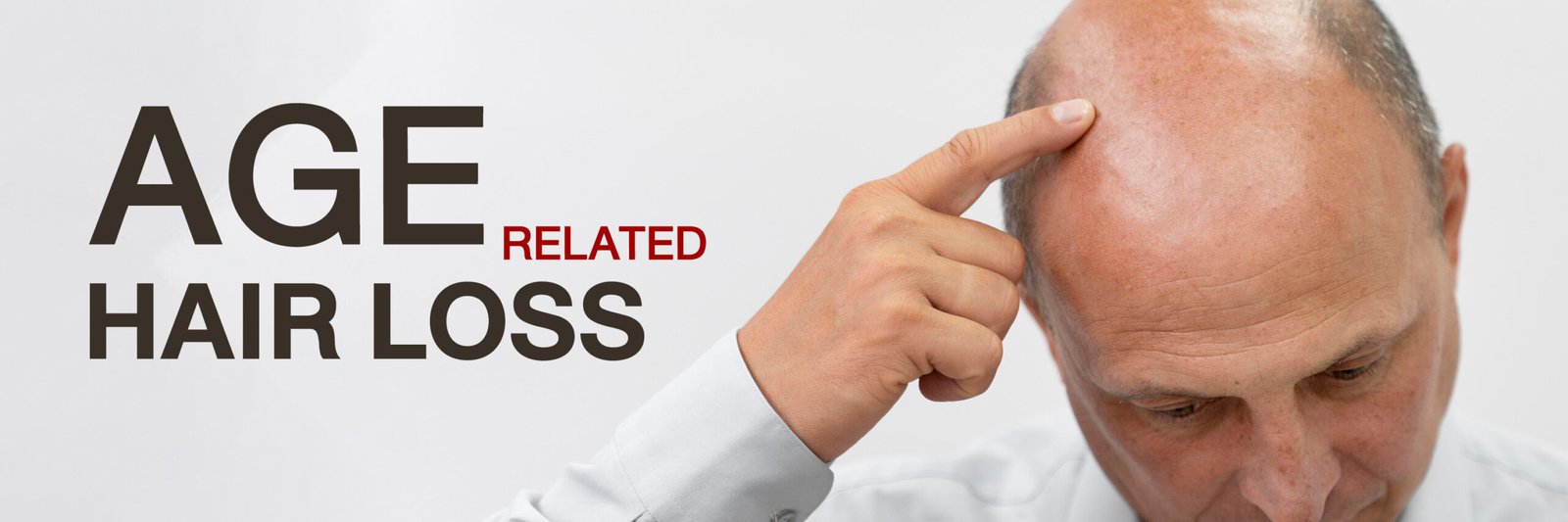
Hair loss is something many people begin to notice after the age of 30. While it’s often seen as a normal part of aging, there are actually many possible causes that can be diagnosed and treated. Understanding the cause and starting care early can improve the chances of restoring hair growth or slowing further hair loss. This article covers the common causes, prevention tips, diagnosis, and treatment options.
Common Causes of Hair Loss After Age 30
- Hormonal Factors (Androgenetic Alopecia): Genetic hair thinning is one of the most common causes in both men and women and often becomes more noticeable after age 30.
- Chronic Stress & Mental Health: Long-term stress can affect hormone levels and disrupt the normal hair growth cycle.
- Nutritional Deficiencies: Low levels of protein, iron, vitamin D, vitamin B12, and biotin may contribute to hair loss.
- Other Hormonal Changes: Conditions such as thyroid disorders or postpartum hormonal changes can trigger hair shedding.
- Medication Side Effects: Certain medications, including chemotherapy drugs and some blood pressure medications, may cause temporary or permanent hair loss.
- Harsh Hair Care Practices: Frequent perming, straightening, coloring, or tight hairstyles can lead to traction-related hair loss.
- Scalp Conditions: Scalp disorders such as psoriasis or infections may also contribute to hair loss.
Signs to Watch For
- Increased Hair Shedding: Noticing more hair falling out while washing or brushing.
- Visible Scalp Changes: The scalp becomes more visible, appears thinner, or shows redness in certain areas.
- Thinning Along the Hairline or Crown: Gradual thinning in common pattern hair loss areas.
- Sudden Hair Loss: Hair falling out rapidly across the entire scalp or in small patchy areas.
Prevention and At Home Care
- Maintain a Balanced Diet: Eat high-quality protein, fruits, vegetables, iron-rich foods, and healthy fats. Consider supplements only when needed.
- Reduce Heat and Chemical Damage: Limit frequent straightening, perming, coloring, and excessive use of hair dryers or styling tools.
- Avoid Tight Hairstyles: Do not tie hair too tightly and use a wide-tooth comb when hair is wet.
- Manage Stress: Get enough sleep, exercise regularly, and practice breathing exercises or mindfulness to reduce stress levels.
- Choose Gentle Hair Care Products: Use shampoos and conditioners that are mild and suitable for your scalp type.
When to See a Specialist
- Excessive Hair Loss in a Short Period: For example, losing an unusually large amount of hair each day.
- Scalp Inflammation or Irritation: Persistent redness, itching, or severe flaking of the scalp.
- Noticeable Thinning or Visible Scalp: Hair thinning over a larger area or increased scalp visibility.
- Other Accompanying Symptoms: Such as irritability, unexplained weight loss, or hormonal changes during pregnancy or postpartum.
Medical Treatment Options
- Minoxidil (Topical Treatment): Helps improve blood flow to hair follicles and may stimulate hair growth in many individuals.
- Finasteride (Oral Medication for Men): Reduces the conversion of testosterone into DHT, a hormone linked to male pattern hair loss.
- Low-Level Laser Therapy (LLLT): Uses low-energy light to support hair follicle activity and promote growth.
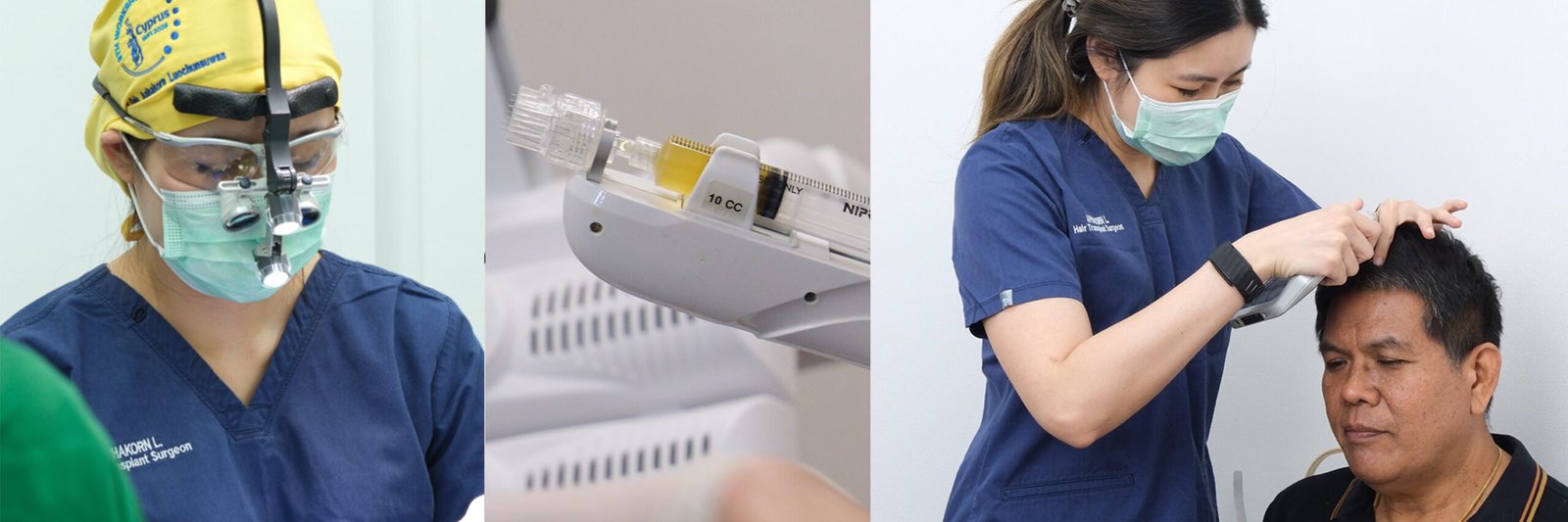
- Mesotherapy / Hair Growth Injections: Delivers vitamins or growth-supporting substances directly into the scalp.
- PRP (Platelet-Rich Plasma): Uses concentrated platelets from the patient’s own blood to support hair regeneration.
- Regenera Therapy: Uses regenerative cells and growth factors derived from the patient to strengthen hair from the root level.
- Exosome Therapy: A regenerative treatment designed to support hair follicle repair and improve scalp conditions at the cellular level.
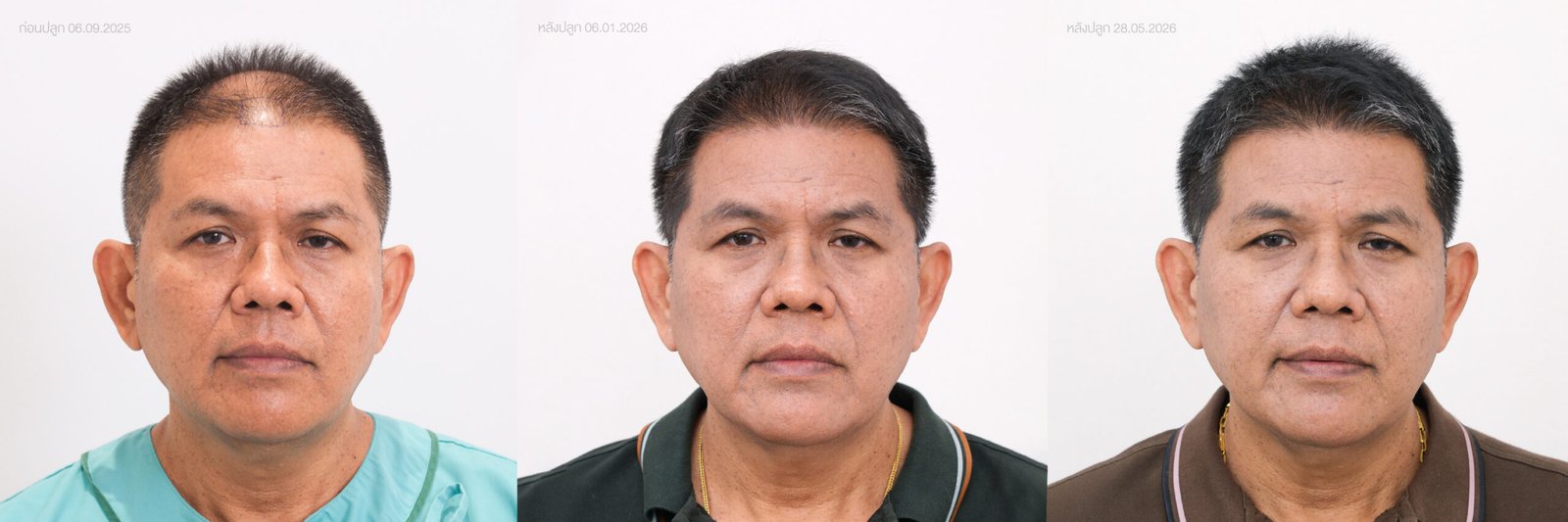
- Hair Transplant Surgery: A long-term option for people with permanent hair thinning who want more predictable and lasting results, especially when other treatments have not been effective.
At MediHair Clinic, we provide personalized care for hair loss, hereditary hair thinning, baldness, and other hair-related concerns. Our approach covers everything from identifying the root cause and providing medical treatments and specialized therapies to advanced hair transplant solutions. Every treatment plan is guided by experienced doctors and a dedicated medical team to ensure targeted care and the best possible outcomes for each individual.
Don’t wait until hair loss becomes more difficult to manage. Schedule a scalp assessment with our specialists today and receive a personalized treatment plan with expert recommendations tailored to your needs.
📞 Book a Hair Transplant Consultation at MediHair
📍 Gaysorn | Emsphere | Aman Nai Lert Medical Wellness
📱 LINE: @medihairclinic
📞 Tel 061-746-5995
🌐 www.medihair.co.th
Age related Hairloss
Hair loss is something many people begin to notice after the age of 30. While it’s often seen as a normal part of aging, there are actually many possible causes that can be diagnosed and treated. Understanding the cause and starting care early can improve the chances of restoring hair growth or slowing further hair loss. This article covers the common causes, prevention tips, diagnosis, and treatment options.
Common Causes of Hair Loss After Age 30
- Hormonal Factors (Androgenetic Alopecia): Genetic hair thinning is one of the most common causes in both men and women and often becomes more noticeable after age 30.
- Chronic Stress & Mental Health: Long-term stress can affect hormone levels and disrupt the normal hair growth cycle.
- Nutritional Deficiencies: Low levels of protein, iron, vitamin D, vitamin B12, and biotin may contribute to hair loss.
- Other Hormonal Changes: Conditions such as thyroid disorders or postpartum hormonal changes can trigger hair shedding.
- Medication Side Effects: Certain medications, including chemotherapy drugs and some blood pressure medications, may cause temporary or permanent hair loss.
- Harsh Hair Care Practices: Frequent perming, straightening, coloring, or tight hairstyles can lead to traction-related hair loss.
- Scalp Conditions: Scalp disorders such as psoriasis or infections may also contribute to hair loss.
Signs to Watch For
- Increased Hair Shedding: Noticing more hair falling out while washing or brushing.
- Visible Scalp Changes: The scalp becomes more visible, appears thinner, or shows redness in certain areas.
- Thinning Along the Hairline or Crown: Gradual thinning in common pattern hair loss areas.
- Sudden Hair Loss: Hair falling out rapidly across the entire scalp or in small patchy areas.
Prevention and At Home Care
- Maintain a Balanced Diet: Eat high-quality protein, fruits, vegetables, iron-rich foods, and healthy fats. Consider supplements only when needed.
- Reduce Heat and Chemical Damage: Limit frequent straightening, perming, coloring, and excessive use of hair dryers or styling tools.
- Avoid Tight Hairstyles: Do not tie hair too tightly and use a wide-tooth comb when hair is wet.
- Manage Stress: Get enough sleep, exercise regularly, and practice breathing exercises or mindfulness to reduce stress levels.
- Choose Gentle Hair Care Products: Use shampoos and conditioners that are mild and suitable for your scalp type.
When to See a Specialist
- Excessive Hair Loss in a Short Period: For example, losing an unusually large amount of hair each day.
- Scalp Inflammation or Irritation: Persistent redness, itching, or severe flaking of the scalp.
- Noticeable Thinning or Visible Scalp: Hair thinning over a larger area or increased scalp visibility.
- Other Accompanying Symptoms: Such as irritability, unexplained weight loss, or hormonal changes during pregnancy or postpartum.
Medical Treatment Options
- Minoxidil (Topical Treatment): Helps improve blood flow to hair follicles and may stimulate hair growth in many individuals.
- Finasteride (Oral Medication for Men): Reduces the conversion of testosterone into DHT, a hormone linked to male pattern hair loss.
- Low-Level Laser Therapy (LLLT): Uses low-energy light to support hair follicle activity and promote growth.
- Mesotherapy / Hair Growth Injections: Delivers vitamins or growth-supporting substances directly into the scalp.
- PRP (Platelet-Rich Plasma): Uses concentrated platelets from the patient’s own blood to support hair regeneration.
- Regenera Therapy: Uses regenerative cells and growth factors derived from the patient to strengthen hair from the root level.
- Exosome Therapy: A regenerative treatment designed to support hair follicle repair and improve scalp conditions at the cellular level.
- Hair Transplant Surgery: A long-term option for people with permanent hair thinning who want more predictable and lasting results, especially when other treatments have not been effective.
At MediHair Clinic, we provide personalized care for hair loss, hereditary hair thinning, baldness, and other hair-related concerns. Our approach covers everything from identifying the root cause and providing medical treatments and specialized therapies to advanced hair transplant solutions. Every treatment plan is guided by experienced doctors and a dedicated medical team to ensure targeted care and the best possible outcomes for each individual.
Don’t wait until hair loss becomes more difficult to manage. Schedule a scalp assessment with our specialists today and receive a personalized treatment plan with expert recommendations tailored to your needs.
📞 Book a Hair Transplant Consultation at MediHair
📍 Gaysorn | Emsphere | Aman Nai Lert Medical Wellness
📱 LINE: @medihairclinic
📞 Tel 061-746-5995
🌐 www.medihair.co.th
Age related Hairloss
Hair loss is something many people begin to notice after the age of 30. While it’s often seen as a normal part of aging, there are actually many possible causes that can be diagnosed and treated. Understanding the cause and starting care early can improve the chances of restoring hair growth or slowing further hair loss. This article covers the common causes, prevention tips, diagnosis, and treatment options.
Common Causes of Hair Loss After Age 30
- Hormonal Factors (Androgenetic Alopecia): Genetic hair thinning is one of the most common causes in both men and women and often becomes more noticeable after age 30.
- Chronic Stress & Mental Health: Long-term stress can affect hormone levels and disrupt the normal hair growth cycle.
- Nutritional Deficiencies: Low levels of protein, iron, vitamin D, vitamin B12, and biotin may contribute to hair loss.
- Other Hormonal Changes: Conditions such as thyroid disorders or postpartum hormonal changes can trigger hair shedding.
- Medication Side Effects: Certain medications, including chemotherapy drugs and some blood pressure medications, may cause temporary or permanent hair loss.
- Harsh Hair Care Practices: Frequent perming, straightening, coloring, or tight hairstyles can lead to traction-related hair loss.
- Scalp Conditions: Scalp disorders such as psoriasis or infections may also contribute to hair loss.
Signs to Watch For
- Increased Hair Shedding: Noticing more hair falling out while washing or brushing.
- Visible Scalp Changes: The scalp becomes more visible, appears thinner, or shows redness in certain areas.
- Thinning Along the Hairline or Crown: Gradual thinning in common pattern hair loss areas.
- Sudden Hair Loss: Hair falling out rapidly across the entire scalp or in small patchy areas.
Prevention and At Home Care
- Maintain a Balanced Diet: Eat high-quality protein, fruits, vegetables, iron-rich foods, and healthy fats. Consider supplements only when needed.
- Reduce Heat and Chemical Damage: Limit frequent straightening, perming, coloring, and excessive use of hair dryers or styling tools.
- Avoid Tight Hairstyles: Do not tie hair too tightly and use a wide-tooth comb when hair is wet.
- Manage Stress: Get enough sleep, exercise regularly, and practice breathing exercises or mindfulness to reduce stress levels.
- Choose Gentle Hair Care Products: Use shampoos and conditioners that are mild and suitable for your scalp type.
When to See a Specialist
- Excessive Hair Loss in a Short Period: For example, losing an unusually large amount of hair each day.
- Scalp Inflammation or Irritation: Persistent redness, itching, or severe flaking of the scalp.
- Noticeable Thinning or Visible Scalp: Hair thinning over a larger area or increased scalp visibility.
- Other Accompanying Symptoms: Such as irritability, unexplained weight loss, or hormonal changes during pregnancy or postpartum.
Medical Treatment Options
- Minoxidil (Topical Treatment): Helps improve blood flow to hair follicles and may stimulate hair growth in many individuals.
- Finasteride (Oral Medication for Men): Reduces the conversion of testosterone into DHT, a hormone linked to male pattern hair loss.
- Low-Level Laser Therapy (LLLT): Uses low-energy light to support hair follicle activity and promote growth.
- Mesotherapy / Hair Growth Injections: Delivers vitamins or growth-supporting substances directly into the scalp.
- PRP (Platelet-Rich Plasma): Uses concentrated platelets from the patient’s own blood to support hair regeneration.
- Regenera Therapy: Uses regenerative cells and growth factors derived from the patient to strengthen hair from the root level.
- Exosome Therapy: A regenerative treatment designed to support hair follicle repair and improve scalp conditions at the cellular level.
- Hair Transplant Surgery: A long-term option for people with permanent hair thinning who want more predictable and lasting results, especially when other treatments have not been effective.
At MediHair Clinic, we provide personalized care for hair loss, hereditary hair thinning, baldness, and other hair-related concerns. Our approach covers everything from identifying the root cause and providing medical treatments and specialized therapies to advanced hair transplant solutions. Every treatment plan is guided by experienced doctors and a dedicated medical team to ensure targeted care and the best possible outcomes for each individual.
Don’t wait until hair loss becomes more difficult to manage. Schedule a scalp assessment with our specialists today and receive a personalized treatment plan with expert recommendations tailored to your needs.
📞 Book a Hair Transplant Consultation at MediHair
📍 Gaysorn | Emsphere | Aman Nai Lert Medical Wellness
📱 LINE: @medihairclinic
📞 Tel 061-746-5995
🌐 www.medihair.co.th