VIEW VIDEO
Related Videos
VIEW VIDEO
Related Videos
Understanding Hair Longevity Simple ways to support long-term hair health
Today, longevity is about more than living longer. It also includes maintaining healthy hair over time. Like other parts of the body, hair follows a natural growth cycle and is influenced by age, lifestyle, and hormones.
Hair naturally goes through three stages in its growth cycle:
- Anagen (Growth Phase): The hair actively grows and remains firmly anchored in the follicle.
- Catagen (Transition Phase): Hair growth slows as the follicle enters a brief transitional stage.
- Telogen (Resting Phase): The hair is shed naturally, making way for new hair growth.
“As we age, or when other contributing factors are present, this natural cycle may become shorter. As a result, hair may shed more quickly, and new strands may gradually grow back finer and thinner over time”
Why Does Hair Change with Age?
Several factors can influence the hair growth cycle and the long-term health of the hair follicles, including:
- DHT (Dihydrotestosterone) can gradually shrink hair follicles (miniaturization), leading to finer, weaker hair over time.
- Chronic Stress Long-term stress may affect the hair growth cycle, causing more hairs to enter the shedding phase earlier than usual.
- Scalp Inflammation An unhealthy scalp environment may weaken hair follicles and affect overall hair quality.
- Natural Aging As we age, hair follicles may recover more slowly, and hair growth can gradually become less robust.
- Everyday Habits Lifestyle factors such as inadequate sleep, poor nutrition, and frequent heat styling may also affect long-term hair health.
How to Support Long Term Hair Health
- Prioritize Scalp Care A healthy scalp provides the foundation for healthy hair.
– Cleanse your scalp regularly to keep it fresh and balanced.
– Help reduce follicle buildup by removing excess oil and impurities.
– Support healthy scalp circulation to maintain an optimal environment for hair growth. - Address Hair Thinning Risk Factors Early For people with a family history of hair thinning, early assessment and appropriate care may help support long-term hair health.
– Consult a healthcare professional for an evaluation, including factors such as DHT when appropriate.
– Consider early treatment options based on a professional assessment and your individual needs. - Nourish Your Hair from Within Healthy hair relies on a balanced intake of essential nutrients that support normal hair growth and overall hair health, including:
– Protein
– Iron
– Zinc
– B Vitamins - Manage Stress Long-term stress may affect the hair growth cycle and contribute to increased hair shedding.
– Get enough sleep
– Exercise regularly
– Take breaks and avoid prolonged periods of overwork - Avoid Habits That Can Damage Your Hair Everyday habits can affect the condition of your hair over time. Consider avoiding:
– Washing your hair with very hot water
– Frequent heat styling
– Tight hairstyles that place excessive tension on the hair - Have Your Hair Checked Early Early assessment may help identify changes before hair thinning progresses.
– Seek a professional evaluation if you notice increased shedding or thinning.
– Early care may offer more treatment options. - Medical Hair Care Hair Booster Treatment is designed to support scalp and hair follicle health. The treatment delivers collagen-based injections across the scalp to help create a healthy environment for the hair follicles and support overall hair quality.
Hair Booster Treatment in 3 Simple Steps
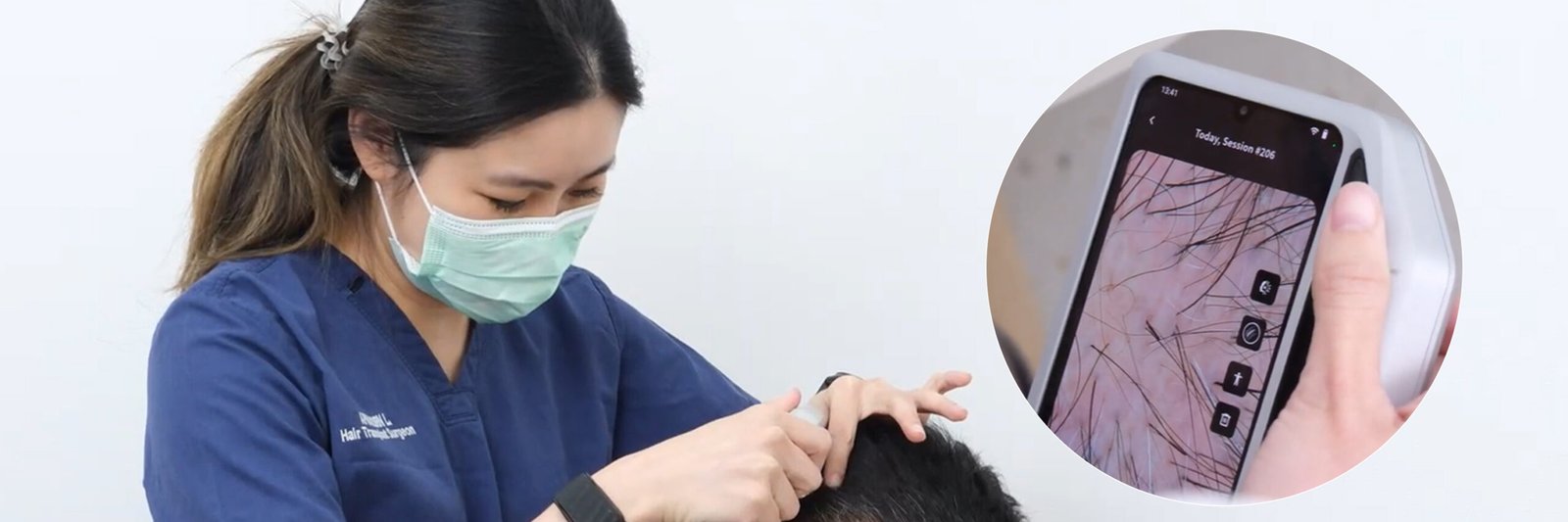
1. Hair & Scalp Assessment A detailed evaluation before treatment.
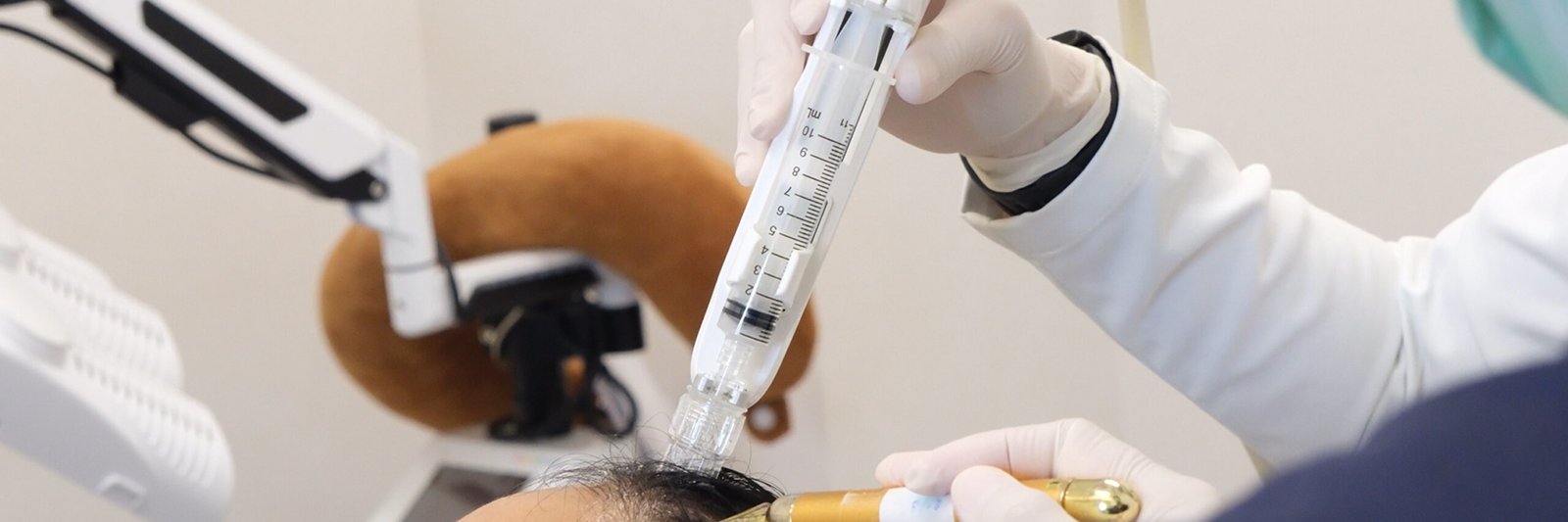
2. Hair Booster is delivered evenly across the scalp using a robotic injection system
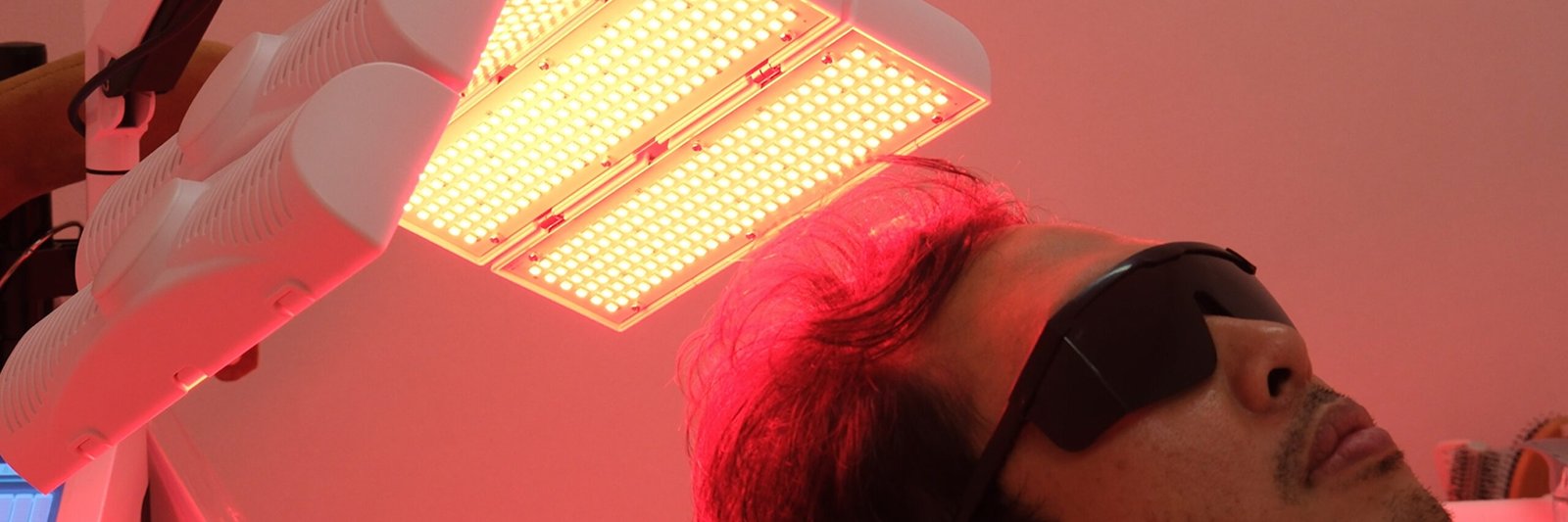
3. Red Light Therapy Supports the scalp’s natural regenerative processes.
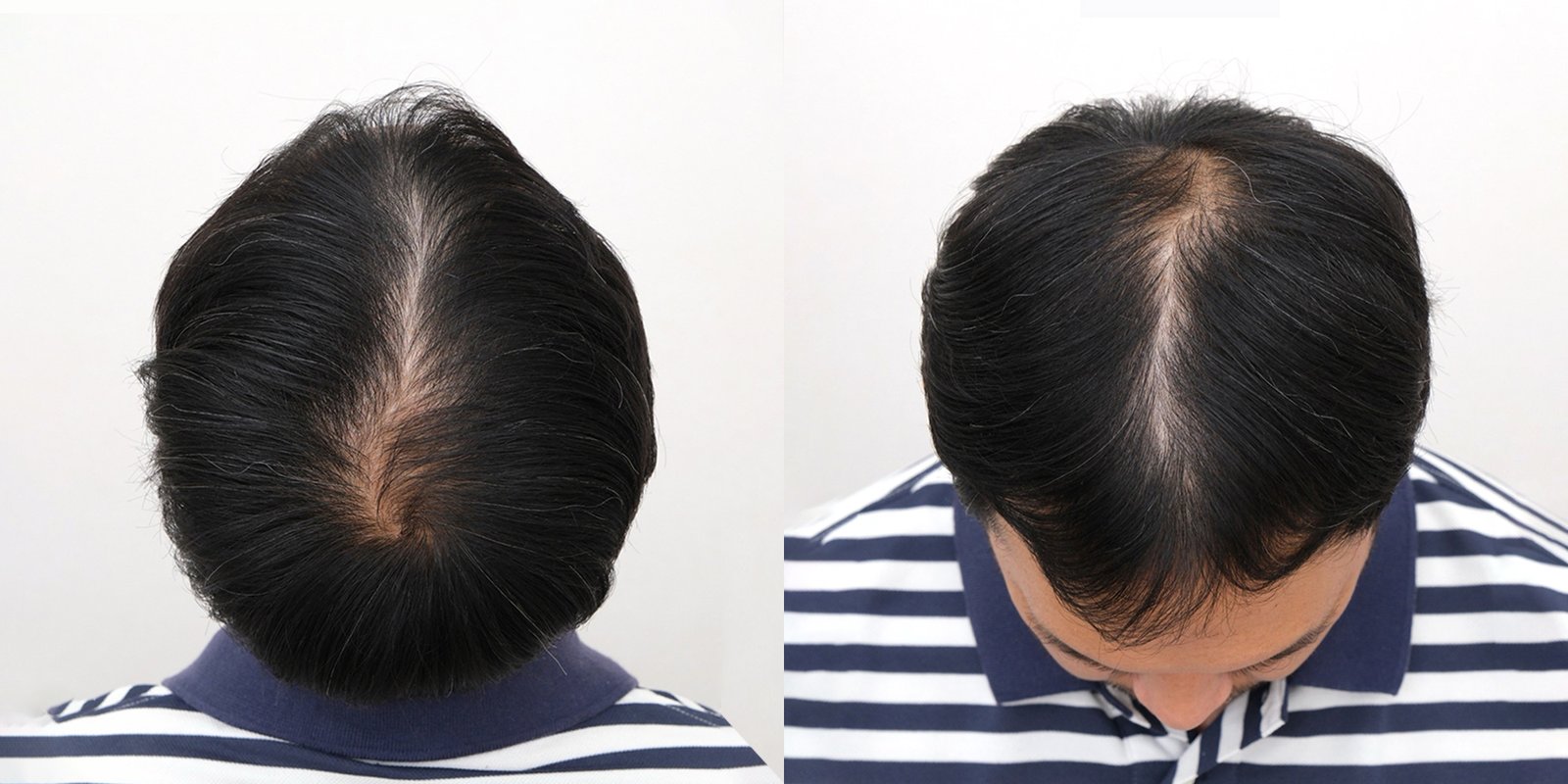
Results After Hair Booster Treatment
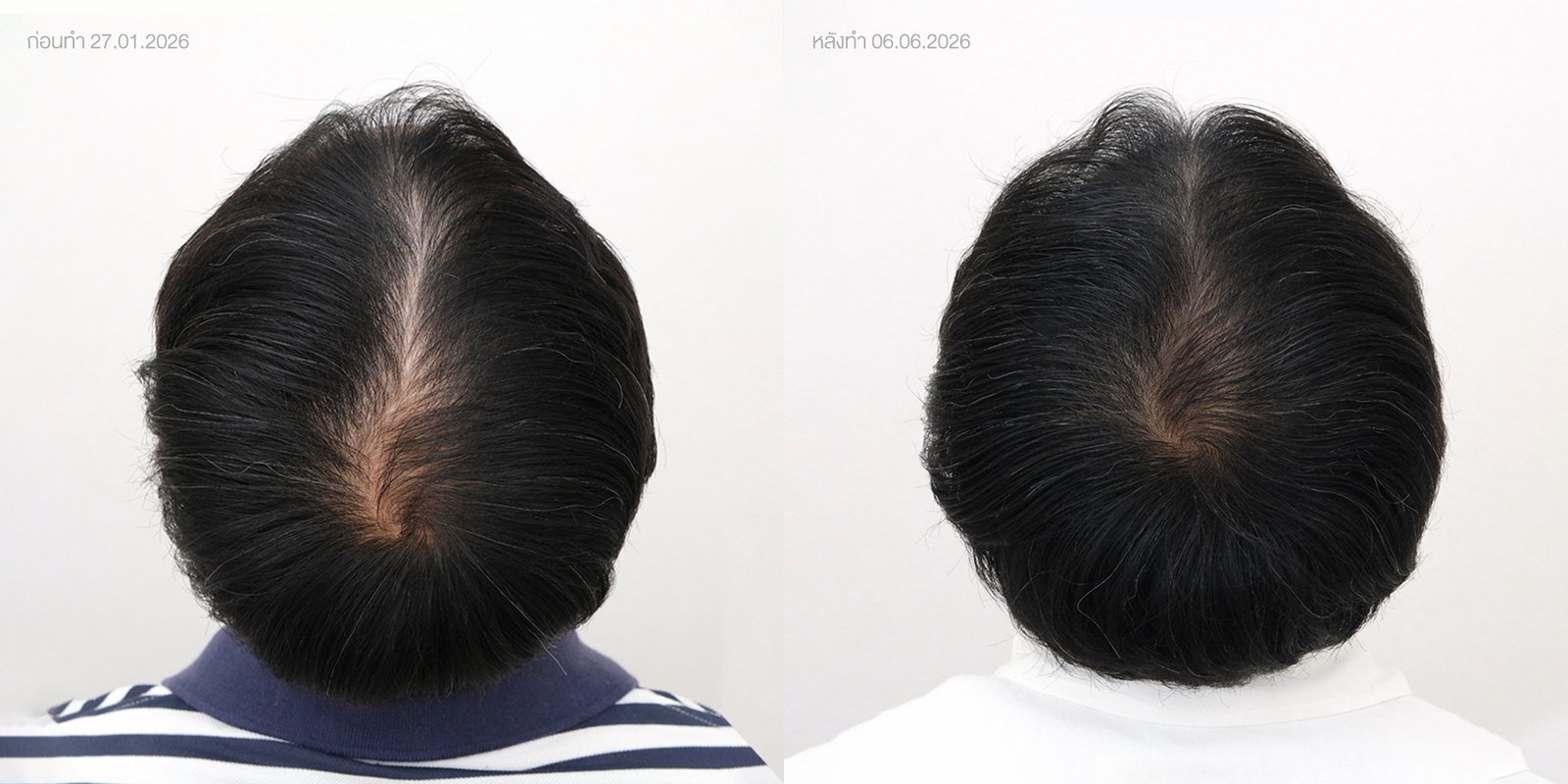
*Results may vary from person to person.*
Hair care is not about waiting until significant hair loss occurs, but about starting early to help maintain hair density for as long as possible. Once hair follicles become severely miniaturized or inactive, improvement options may become more limited, and hair transplantation may be considered in some cases.
If you are unsure about your level of hair loss or whether your condition can still be managed, you can consult our medical team at MediHair Clinic for a professional evaluation.
📞 Book a Hair Transplant Consultation at MediHair
📍 Gaysorn | Emsphere | Aman Nai Lert Medical Wellness
📱 LINE: @medihairclinic
📞 Tel 061-746-5995
🌐 www.medihair.co.th
Understanding Hair Longevity Simple ways to support long-term hair health
Today, longevity is about more than living longer. It also includes maintaining healthy hair over time. Like other parts of the body, hair follows a natural growth cycle and is influenced by age, lifestyle, and hormones.
Hair naturally goes through three stages in its growth cycle:
- Anagen (Growth Phase): The hair actively grows and remains firmly anchored in the follicle.
- Catagen (Transition Phase): Hair growth slows as the follicle enters a brief transitional stage.
- Telogen (Resting Phase): The hair is shed naturally, making way for new hair growth.
“As we age, or when other contributing factors are present, this natural cycle may become shorter. As a result, hair may shed more quickly, and new strands may gradually grow back finer and thinner over time”
Why Does Hair Change with Age?
Several factors can influence the hair growth cycle and the long-term health of the hair follicles, including:
- DHT (Dihydrotestosterone) can gradually shrink hair follicles (miniaturization), leading to finer, weaker hair over time.
- Chronic Stress Long-term stress may affect the hair growth cycle, causing more hairs to enter the shedding phase earlier than usual.
- Scalp Inflammation An unhealthy scalp environment may weaken hair follicles and affect overall hair quality.
- Natural Aging As we age, hair follicles may recover more slowly, and hair growth can gradually become less robust.
- Everyday Habits Lifestyle factors such as inadequate sleep, poor nutrition, and frequent heat styling may also affect long-term hair health.
How to Support Long Term Hair Health
- Prioritize Scalp Care A healthy scalp provides the foundation for healthy hair.
– Cleanse your scalp regularly to keep it fresh and balanced.
– Help reduce follicle buildup by removing excess oil and impurities.
– Support healthy scalp circulation to maintain an optimal environment for hair growth. - Address Hair Thinning Risk Factors Early For people with a family history of hair thinning, early assessment and appropriate care may help support long-term hair health.
– Consult a healthcare professional for an evaluation, including factors such as DHT when appropriate.
– Consider early treatment options based on a professional assessment and your individual needs. - Nourish Your Hair from Within Healthy hair relies on a balanced intake of essential nutrients that support normal hair growth and overall hair health, including:
– Protein
– Iron
– Zinc
– B Vitamins - Manage Stress Long-term stress may affect the hair growth cycle and contribute to increased hair shedding.
– Get enough sleep
– Exercise regularly
– Take breaks and avoid prolonged periods of overwork - Avoid Habits That Can Damage Your Hair Everyday habits can affect the condition of your hair over time. Consider avoiding:
– Washing your hair with very hot water
– Frequent heat styling
– Tight hairstyles that place excessive tension on the hair - Have Your Hair Checked Early Early assessment may help identify changes before hair thinning progresses.
– Seek a professional evaluation if you notice increased shedding or thinning.
– Early care may offer more treatment options. - Medical Hair Care Hair Booster Treatment is designed to support scalp and hair follicle health. The treatment delivers collagen-based injections across the scalp to help create a healthy environment for the hair follicles and support overall hair quality.
Hair Booster Treatment in 3 Simple Steps
1. Hair & Scalp Assessment A detailed evaluation before treatment.
2. Hair Booster is delivered evenly across the scalp using a robotic injection system
3. Red Light Therapy Supports the scalp’s natural regenerative processes.
Results After Hair Booster Treatment
*Results may vary from person to person.*
Hair care is not about waiting until significant hair loss occurs, but about starting early to help maintain hair density for as long as possible. Once hair follicles become severely miniaturized or inactive, improvement options may become more limited, and hair transplantation may be considered in some cases.
If you are unsure about your level of hair loss or whether your condition can still be managed, you can consult our medical team at MediHair Clinic for a professional evaluation.
📞 Book a Hair Transplant Consultation at MediHair
📍 Gaysorn | Emsphere | Aman Nai Lert Medical Wellness
📱 LINE: @medihairclinic
📞 Tel 061-746-5995
🌐 www.medihair.co.th
Understanding Hair Longevity Simple ways to support long-term hair health
Today, longevity is about more than living longer. It also includes maintaining healthy hair over time. Like other parts of the body, hair follows a natural growth cycle and is influenced by age, lifestyle, and hormones.
Hair naturally goes through three stages in its growth cycle:
- Anagen (Growth Phase): The hair actively grows and remains firmly anchored in the follicle.
- Catagen (Transition Phase): Hair growth slows as the follicle enters a brief transitional stage.
- Telogen (Resting Phase): The hair is shed naturally, making way for new hair growth.
“As we age, or when other contributing factors are present, this natural cycle may become shorter. As a result, hair may shed more quickly, and new strands may gradually grow back finer and thinner over time”
Why Does Hair Change with Age?
Several factors can influence the hair growth cycle and the long-term health of the hair follicles, including:
- DHT (Dihydrotestosterone) can gradually shrink hair follicles (miniaturization), leading to finer, weaker hair over time.
- Chronic Stress Long-term stress may affect the hair growth cycle, causing more hairs to enter the shedding phase earlier than usual.
- Scalp Inflammation An unhealthy scalp environment may weaken hair follicles and affect overall hair quality.
- Natural Aging As we age, hair follicles may recover more slowly, and hair growth can gradually become less robust.
- Everyday Habits Lifestyle factors such as inadequate sleep, poor nutrition, and frequent heat styling may also affect long-term hair health.
How to Support Long Term Hair Health
- Prioritize Scalp Care A healthy scalp provides the foundation for healthy hair.
– Cleanse your scalp regularly to keep it fresh and balanced.
– Help reduce follicle buildup by removing excess oil and impurities.
– Support healthy scalp circulation to maintain an optimal environment for hair growth. - Address Hair Thinning Risk Factors Early For people with a family history of hair thinning, early assessment and appropriate care may help support long-term hair health.
– Consult a healthcare professional for an evaluation, including factors such as DHT when appropriate.
– Consider early treatment options based on a professional assessment and your individual needs. - Nourish Your Hair from Within Healthy hair relies on a balanced intake of essential nutrients that support normal hair growth and overall hair health, including:
– Protein
– Iron
– Zinc
– B Vitamins - Manage Stress Long-term stress may affect the hair growth cycle and contribute to increased hair shedding.
– Get enough sleep
– Exercise regularly
– Take breaks and avoid prolonged periods of overwork - Avoid Habits That Can Damage Your Hair Everyday habits can affect the condition of your hair over time. Consider avoiding:
– Washing your hair with very hot water
– Frequent heat styling
– Tight hairstyles that place excessive tension on the hair - Have Your Hair Checked Early Early assessment may help identify changes before hair thinning progresses.
– Seek a professional evaluation if you notice increased shedding or thinning.
– Early care may offer more treatment options. - Medical Hair Care Hair Booster Treatment is designed to support scalp and hair follicle health. The treatment delivers collagen-based injections across the scalp to help create a healthy environment for the hair follicles and support overall hair quality.
Hair Booster Treatment in 3 Simple Steps
1. Hair & Scalp Assessment A detailed evaluation before treatment.
2. Hair Booster is delivered evenly across the scalp using a robotic injection system
3. Red Light Therapy Supports the scalp’s natural regenerative processes.
Results After Hair Booster Treatment
*Results may vary from person to person.*
Hair care is not about waiting until significant hair loss occurs, but about starting early to help maintain hair density for as long as possible. Once hair follicles become severely miniaturized or inactive, improvement options may become more limited, and hair transplantation may be considered in some cases.
If you are unsure about your level of hair loss or whether your condition can still be managed, you can consult our medical team at MediHair Clinic for a professional evaluation.
📞 Book a Hair Transplant Consultation at MediHair
📍 Gaysorn | Emsphere | Aman Nai Lert Medical Wellness
📱 LINE: @medihairclinic
📞 Tel 061-746-5995
🌐 www.medihair.co.th