
VIEW VIDEO
Related Videos
VIEW VIDEO
Related Videos
Why Do Some Men Experience Hair Loss After Weight Training?
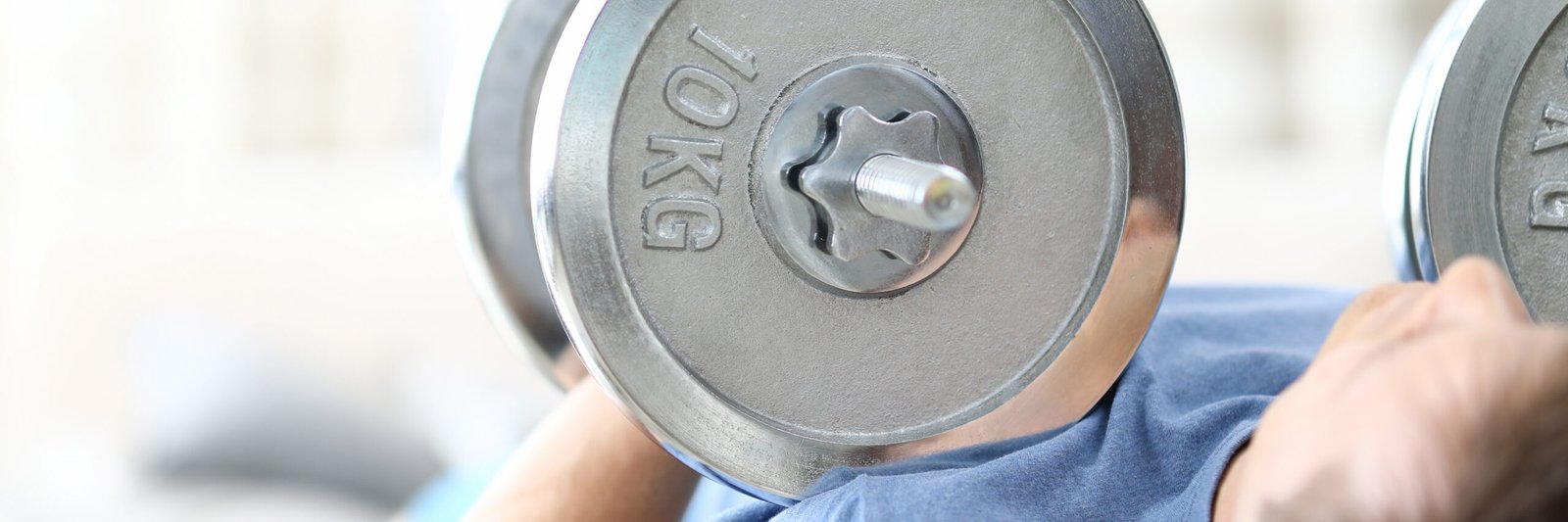
Exercise is one of the best habits for improving overall health. It strengthens the heart, builds muscle, supports metabolism, and contributes to better physical and mental well-being. However, some men notice increased hair shedding after they start going to the gym or lifting weights, leading to the question:
Does weight training cause hair loss?
The short answer is no. Weight training itself does not directly cause hair loss. However, several factors that often accompany intense training may affect hair health.
Exercise Does Not Directly Cause Hair Loss
In fact, regular exercise can benefit your hair by:
- Improving blood circulation to the scalp
- Reducing stress, which is a common trigger for hair shedding
- Promoting better sleep quality
- Supporting overall health
When performed in moderation, exercise is generally more beneficial than harmful for maintaining healthy hair.
Why Do Some People Notice Hair Loss After Starting Weight Training?
1. Genetics and DHT
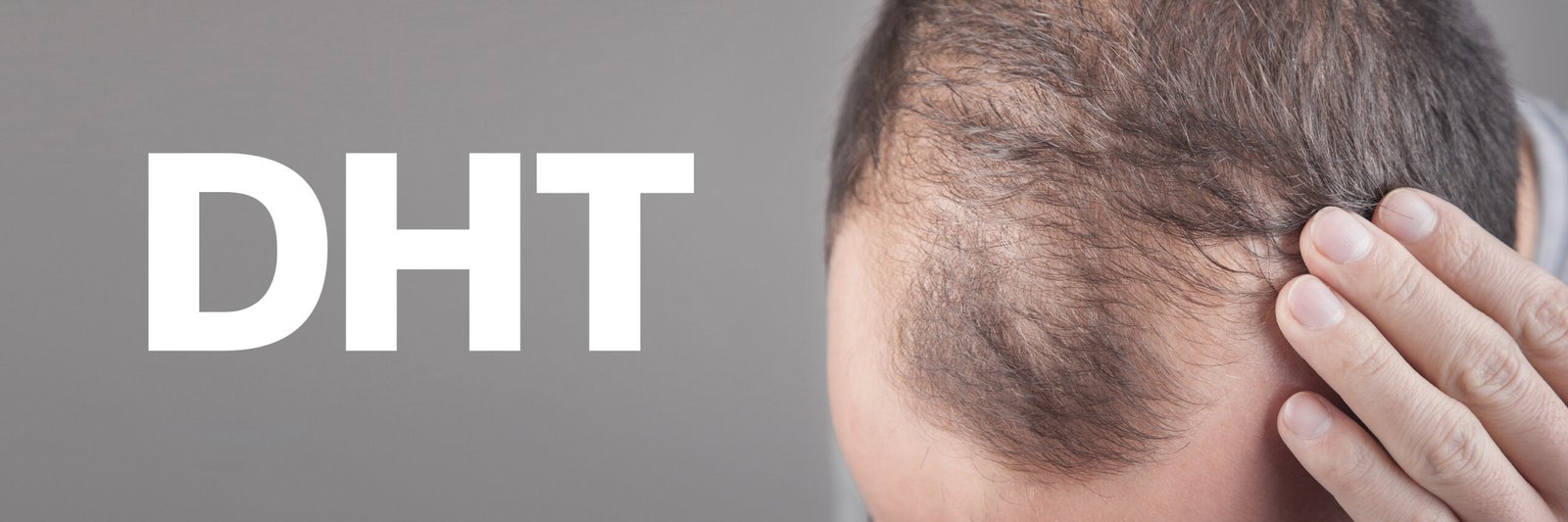
The most common cause is androgenetic alopecia (male pattern hair loss).
Men who are genetically sensitive to DHT (dihydrotestosterone) gradually develop smaller hair follicles, causing the hair to become thinner over time. This process occurs regardless of whether they exercise.
Many men begin weight training in their 20s or 30s the same period when hereditary hair loss often starts making it easy to mistake the gym as the cause.
2. Anabolic Steroid Use
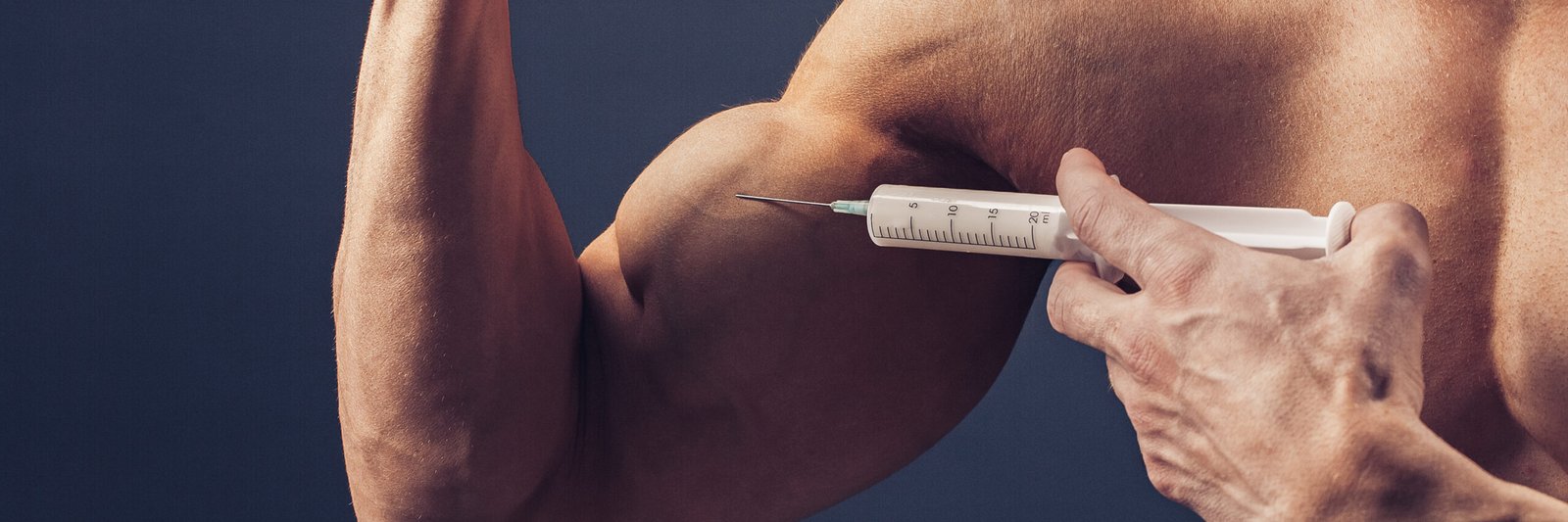
People who use anabolic steroids to increase muscle mass may have a higher risk of hair loss.
These substances can increase androgen activity, which may accelerate hair thinning in individuals who are genetically predisposed to male pattern baldness.
If baldness runs in your family, anabolic steroids may speed up the progression of hair loss
3. Rapid Weight Loss or Poor Nutrition
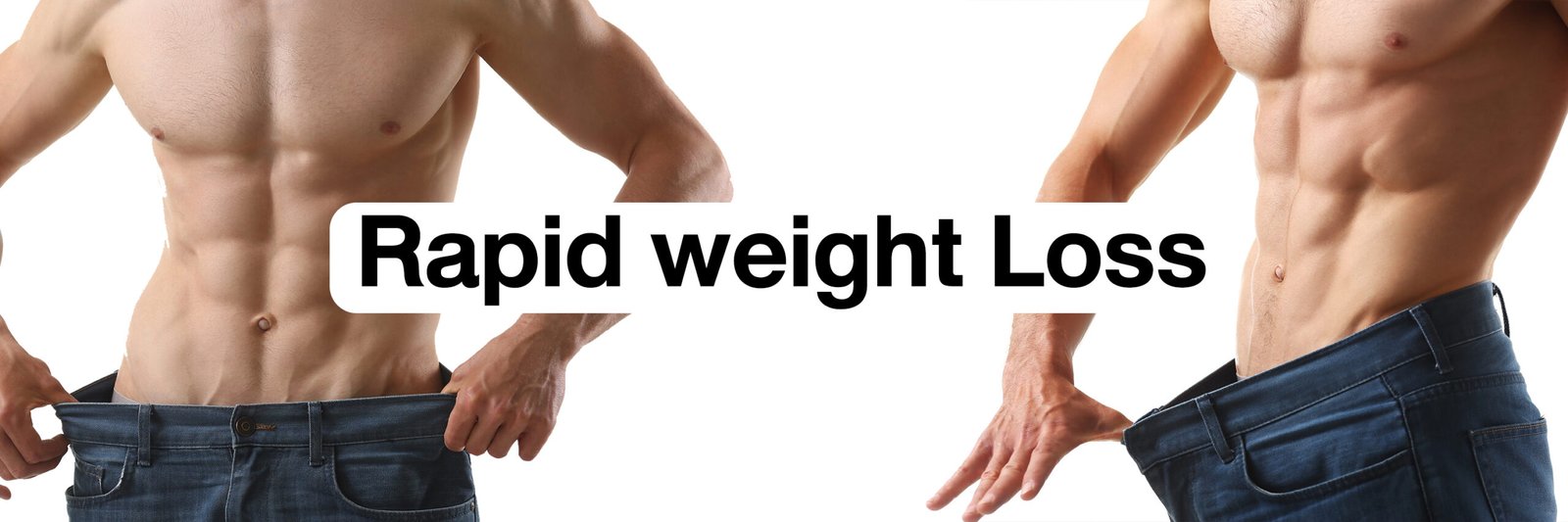
Some people follow very restrictive diets while trying to reduce body fat.
Common nutritional issues include:
- Inadequate protein intake
- Iron deficiency
- Zinc deficiency
- Vitamin deficiencies
- Consuming too few calories
These factors can trigger telogen effluvium, a temporary form of hair shedding caused by physical stress or nutritional imbalance.
4. Lack of Sleep and Recovery

Training intensely without enough rest places additional stress on the body.
When recovery is insufficient, the normal hair growth cycle may be disrupted, leading to increased shedding two to three months later.
5. Overtraining
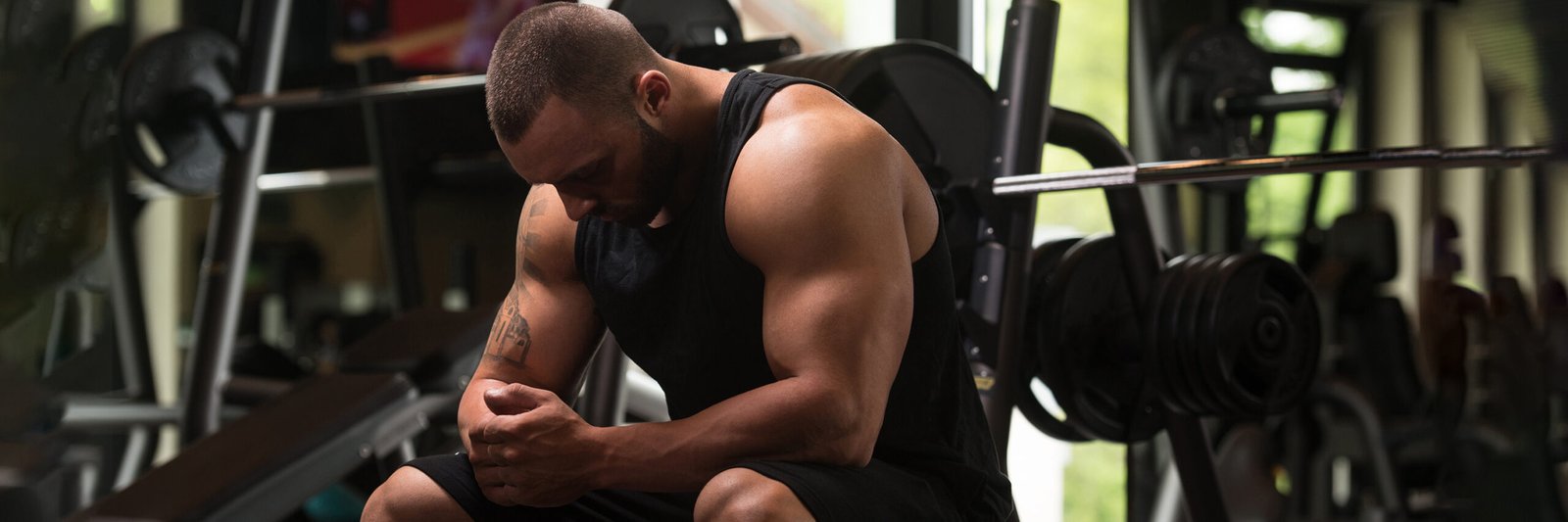
Exercise usually helps reduce stress, but overtraining can have the opposite effect.
Excessive training may increase stress hormone levels and negatively affect overall health, including the normal hair growth cycle in some individuals.
How to Protect Your Hair While Exercising
If you work out regularly and have started noticing thinning hair, consider the following:
- Eat enough protein every day.
- Get 7–9 hours of sleep each night.
- Avoid rapid or extreme weight-loss programs.
- Do not use anabolic steroids or unnecessary hormone supplements.
- If you have a family history of baldness, seek an evaluation as soon as you notice early signs of thinning.
When Should You See a Doctor?
You should consider consulting a healthcare professional if you experience:
- Hair shedding lasting longer than 2–3 months
- A receding hairline
- Thinning at the crown
- A family history of male pattern baldness
- Hair loss accompanied by symptoms such as unexplained weight loss, fatigue, or scalp inflammation
A doctor can help determine the underlying cause of your hair loss and recommend the most appropriate treatment. Depending on your condition, options may include medication, PRP, Regenera, or hair transplantation.
Weight training does not directly cause hair loss. In fact, regular exercise generally supports healthier hair by improving circulation, reducing stress, and promoting better overall health.
However, factors commonly associated with intense training—such as genetic hair loss, anabolic steroid use, rapid weight loss, inadequate nutrition, poor recovery, and overtraining—may contribute to increased hair shedding.
If your hair continues to thin over time, seeking professional evaluation early can help identify the cause and improve your chances of preserving your existing hair.
📞 Book a Hair Transplant Consultation at MediHair
📍 Gaysorn | Emsphere | Aman Nai Lert Medical Wellness
📱 LINE: @medihairclinic
📞 Tel 061-746-5995
🌐 www.medihair.co.th
Why Do Some Men Experience Hair Loss After Weight Training?
Exercise is one of the best habits for improving overall health. It strengthens the heart, builds muscle, supports metabolism, and contributes to better physical and mental well-being. However, some men notice increased hair shedding after they start going to the gym or lifting weights, leading to the question:
Does weight training cause hair loss?
The short answer is no. Weight training itself does not directly cause hair loss. However, several factors that often accompany intense training may affect hair health.
Exercise Does Not Directly Cause Hair Loss
In fact, regular exercise can benefit your hair by:
- Improving blood circulation to the scalp
- Reducing stress, which is a common trigger for hair shedding
- Promoting better sleep quality
- Supporting overall health
When performed in moderation, exercise is generally more beneficial than harmful for maintaining healthy hair.
Why Do Some People Notice Hair Loss After Starting Weight Training?
1. Genetics and DHT.
The most common cause is androgenetic alopecia (male pattern hair loss).
Men who are genetically sensitive to DHT (dihydrotestosterone) gradually develop smaller hair follicles, causing the hair to become thinner over time. This process occurs regardless of whether they exercise.
Many men begin weight training in their 20s or 30s the same period when hereditary hair loss often starts making it easy to mistake the gym as the cause.
2. Anabolic Steroid Use
People who use anabolic steroids to increase muscle mass may have a higher risk of hair loss.
These substances can increase androgen activity, which may accelerate hair thinning in individuals who are genetically predisposed to male pattern baldness.
If baldness runs in your family, anabolic steroids may speed up the progression of hair loss
3. Rapid Weight Loss or Poor Nutrition
Some people follow very restrictive diets while trying to reduce body fat.
Common nutritional issues include:
- Inadequate protein intake
- Iron deficiency
- Zinc deficiency
- Vitamin deficiencies
- Consuming too few calories
These factors can trigger telogen effluvium, a temporary form of hair shedding caused by physical stress or nutritional imbalance.
4. Lack of Sleep and Recovery
Training intensely without enough rest places additional stress on the body.
When recovery is insufficient, the normal hair growth cycle may be disrupted, leading to increased shedding two to three months later.
5. Overtraining
Exercise usually helps reduce stress, but overtraining can have the opposite effect.
Excessive training may increase stress hormone levels and negatively affect overall health, including the normal hair growth cycle in some individuals.
How to Protect Your Hair While Exercising
If you work out regularly and have started noticing thinning hair, consider the following:
- Eat enough protein every day.
- Get 7–9 hours of sleep each night.
- Avoid rapid or extreme weight-loss programs.
- Do not use anabolic steroids or unnecessary hormone supplements.
- If you have a family history of baldness, seek an evaluation as soon as you notice early signs of thinning.
When Should You See a Doctor?
You should consider consulting a healthcare professional if you experience:
- Hair shedding lasting longer than 2–3 months
- A receding hairline
- Thinning at the crown
- A family history of male pattern baldness
- Hair loss accompanied by symptoms such as unexplained weight loss, fatigue, or scalp inflammation
A doctor can help determine the underlying cause of your hair loss and recommend the most appropriate treatment. Depending on your condition, options may include medication, PRP, Regenera, or hair transplantation.
Weight training does not directly cause hair loss. In fact, regular exercise generally supports healthier hair by improving circulation, reducing stress, and promoting better overall health.
However, factors commonly associated with intense training—such as genetic hair loss, anabolic steroid use, rapid weight loss, inadequate nutrition, poor recovery, and overtraining—may contribute to increased hair shedding.
If your hair continues to thin over time, seeking professional evaluation early can help identify the cause and improve your chances of preserving your existing hair.
📞 Book a Hair Transplant Consultation at MediHair
📍 Gaysorn | Emsphere | Aman Nai Lert Medical Wellness
📱 LINE: @medihairclinic
📞 Tel 061-746-5995
🌐 www.medihair.co.th
Why Do Some Men Experience Hair Loss After Weight Training?
Exercise is one of the best habits for improving overall health. It strengthens the heart, builds muscle, supports metabolism, and contributes to better physical and mental well-being. However, some men notice increased hair shedding after they start going to the gym or lifting weights, leading to the question:
Does weight training cause hair loss?
The short answer is no. Weight training itself does not directly cause hair loss. However, several factors that often accompany intense training may affect hair health.
Exercise Does Not Directly Cause Hair Loss
In fact, regular exercise can benefit your hair by:
- Improving blood circulation to the scalp
- Reducing stress, which is a common trigger for hair shedding
- Promoting better sleep quality
- Supporting overall health
When performed in moderation, exercise is generally more beneficial than harmful for maintaining healthy hair.
Why Do Some People Notice Hair Loss After Starting Weight Training?
1. Genetics and DHT
The most common cause is androgenetic alopecia (male pattern hair loss).
Men who are genetically sensitive to DHT (dihydrotestosterone) gradually develop smaller hair follicles, causing the hair to become thinner over time. This process occurs regardless of whether they exercise.
Many men begin weight training in their 20s or 30s the same period when hereditary hair loss often starts making it easy to mistake the gym as the cause.
2. Anabolic Steroid Use
People who use anabolic steroids to increase muscle mass may have a higher risk of hair loss.
These substances can increase androgen activity, which may accelerate hair thinning in individuals who are genetically predisposed to male pattern baldness.
If baldness runs in your family, anabolic steroids may speed up the progression of hair loss
3. Rapid Weight Loss or Poor Nutrition
Some people follow very restrictive diets while trying to reduce body fat.
Common nutritional issues include:
- Inadequate protein intake
- Iron deficiency
- Zinc deficiency
- Vitamin deficiencies
- Consuming too few calories
These factors can trigger telogen effluvium, a temporary form of hair shedding caused by physical stress or nutritional imbalance.
4. Lack of Sleep and Recovery
Training intensely without enough rest places additional stress on the body.
When recovery is insufficient, the normal hair growth cycle may be disrupted, leading to increased shedding two to three months later.
5. Overtraining
Exercise usually helps reduce stress, but overtraining can have the opposite effect.
Excessive training may increase stress hormone levels and negatively affect overall health, including the normal hair growth cycle in some individuals.
How to Protect Your Hair While Exercising
If you work out regularly and have started noticing thinning hair, consider the following:
- Eat enough protein every day.
- Get 7–9 hours of sleep each night.
- Avoid rapid or extreme weight-loss programs.
- Do not use anabolic steroids or unnecessary hormone supplements.
- If you have a family history of baldness, seek an evaluation as soon as you notice early signs of thinning.
When Should You See a Doctor?
You should consider consulting a healthcare professional if you experience:
- Hair shedding lasting longer than 2–3 months
- A receding hairline
- Thinning at the crown
- A family history of male pattern baldness
- Hair loss accompanied by symptoms such as unexplained weight loss, fatigue, or scalp inflammation
A doctor can help determine the underlying cause of your hair loss and recommend the most appropriate treatment. Depending on your condition, options may include medication, PRP, Regenera, or hair transplantation.
Weight training does not directly cause hair loss. In fact, regular exercise generally supports healthier hair by improving circulation, reducing stress, and promoting better overall health.
However, factors commonly associated with intense training—such as genetic hair loss, anabolic steroid use, rapid weight loss, inadequate nutrition, poor recovery, and overtraining—may contribute to increased hair shedding.
If your hair continues to thin over time, seeking professional evaluation early can help identify the cause and improve your chances of preserving your existing hair.
📞 Book a Hair Transplant Consultation at MediHair
📍 Gaysorn | Emsphere | Aman Nai Lert Medical Wellness
📱 LINE: @medihairclinic
📞 Tel 061-746-5995
🌐 www.medihair.co.th