
VIEW VIDEO
Related Videos
VIEW VIDEO
Related Videos
3 Hair & Scalp Conditions That Should Be Stabilized Before Hair Transplant
Hair Transplant Is Not Suitable for Every Type of Hair Loss
A hair transplant can be an effective option for restoring hair. However, some hair and scalp conditions should be medically assessed and stabilized before treatment. Active inflammation or immune-related conditions may affect the healing process and transplant outcome.
Below are three conditions that may require treatment before considering a hair transplant.
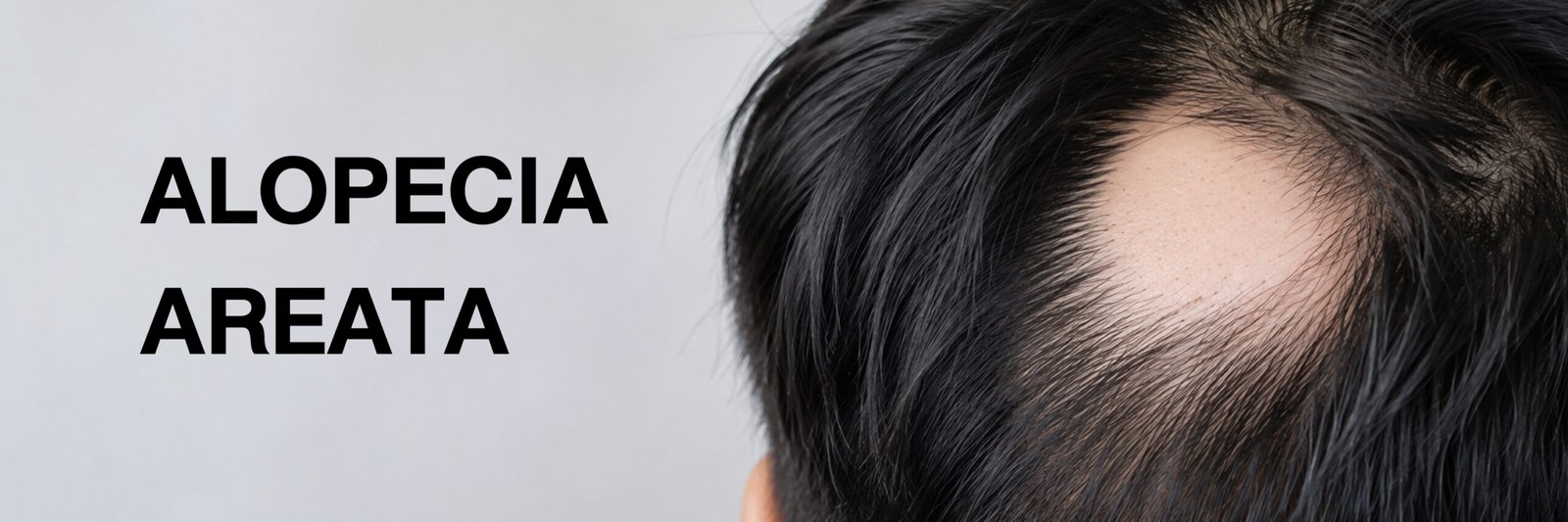
1. Alopecia Areata
Alopecia Areata is an autoimmune condition in which the immune system targets hair follicles, causing patchy hair loss.
Common signs
- Round or patchy hair loss
- Smooth scalp without scarring
- Hair loss may recur in different areas
Hair transplant consideration
If the condition is active, doctors usually recommend controlling the disease before evaluating hair transplant suitability.
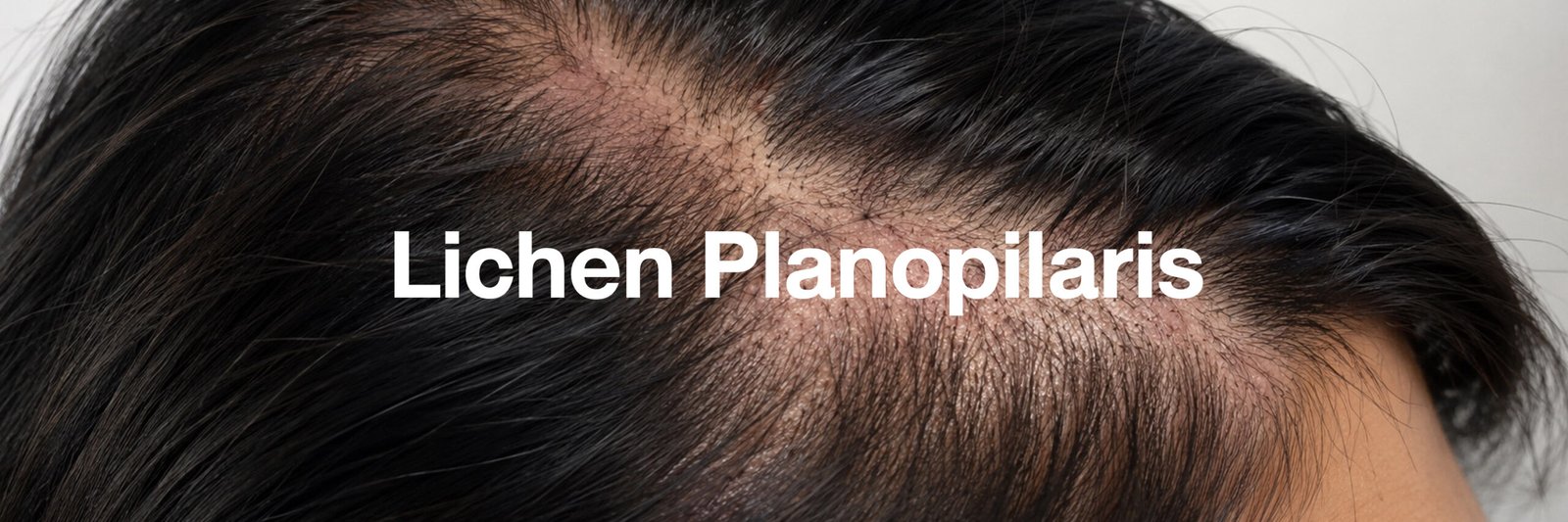
2. Lichen Planopilaris (LPP)
Lichen Planopilaris is an inflammatory scalp condition that can permanently damage hair follicles if left untreated.
Common signs
- Redness or scalp inflammation
- Itching, burning, or scalp discomfort
- Progressive patchy hair loss
- Scarring in affected areas
Hair transplant consideration
Hair transplant may be considered only after the condition has remained stable, following a thorough medical evaluation.
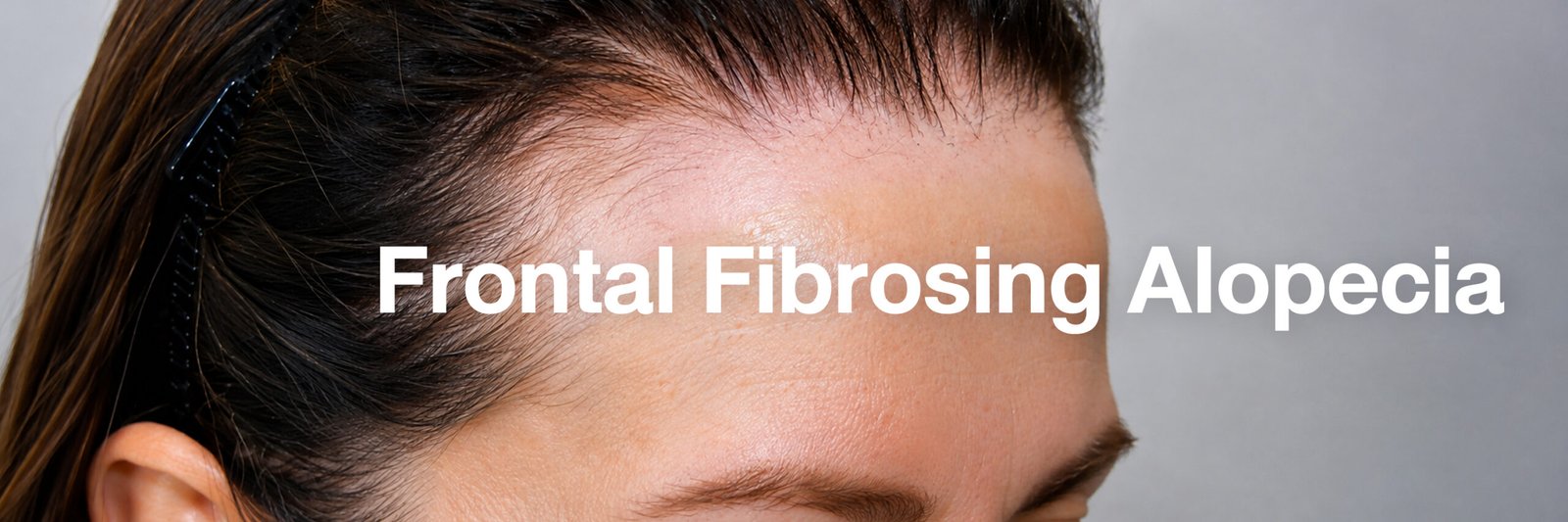
3. Frontal Fibrosing Alopecia (FFA)
Frontal Fibrosing Alopecia is a type of scarring hair loss that typically affects the frontal hairline and may also involve the eyebrows.
Common signs
- * Receding frontal hairline
- Thinning or loss of eyebrows
- Mild scalp redness, itching, or burning
- Permanent follicle damage in affected areas
Hair transplant consideration
The condition should be medically stabilized before a hair transplant is considered. Suitability depends on an individual clinical assessment.
Medical Assessment Before Hair Transplant
Hair loss can have many different causes. A proper diagnosis helps identify the underlying condition and determine the most appropriate treatment plan. For inflammatory scalp disorders, medical management is often recommended before considering hair restoration procedures.
Alopecia Areata, Lichen Planopilaris (LPP), and Frontal Fibrosing Alopecia (FFA) are conditions that may require medical treatment and stabilization before hair transplant. An evaluation by a qualified physician can help determine the appropriate timing and treatment approach for each individual.
📞 Book a Hair Transplant Consultation at MediHair
📍 Gaysorn | Emsphere | Aman Nai Lert Medical Wellness
📱 LINE: @medihairclinic
📞 Tel 061-746-5995
🌐 www.medihair.co.th
3 Hair & Scalp Conditions That Should Be Stabilized Before Hair Transplant
Hair Transplant Is Not Suitable for Every Type of Hair Loss
A hair transplant can be an effective option for restoring hair. However, some hair and scalp conditions should be medically assessed and stabilized before treatment. Active inflammation or immune-related conditions may affect the healing process and transplant outcome.
Below are three conditions that may require treatment before considering a hair transplant.
1. Alopecia Areata
Alopecia Areata is an autoimmune condition in which the immune system targets hair follicles, causing patchy hair loss.
Common signs
- Round or patchy hair loss
- Smooth scalp without scarring
- Hair loss may recur in different areas
Hair transplant consideration
If the condition is active, doctors usually recommend controlling the disease before evaluating hair transplant suitability.
2. Lichen Planopilaris (LPP)
Lichen Planopilaris is an inflammatory scalp condition that can permanently damage hair follicles if left untreated.
Common signs
- Redness or scalp inflammation
- Itching, burning, or scalp discomfort
- Progressive patchy hair loss
- Scarring in affected areas
Hair transplant consideration
Hair transplant may be considered only after the condition has remained stable, following a thorough medical evaluation.
3. Frontal Fibrosing Alopecia (FFA)
Frontal Fibrosing Alopecia is a type of scarring hair loss that typically affects the frontal hairline and may also involve the eyebrows.
Common signs
- * Receding frontal hairline
- Thinning or loss of eyebrows
- Mild scalp redness, itching, or burning
- Permanent follicle damage in affected areas
Hair transplant consideration
The condition should be medically stabilized before a hair transplant is considered. Suitability depends on an individual clinical assessment.
Medical Assessment Before Hair Transplant
Hair loss can have many different causes. A proper diagnosis helps identify the underlying condition and determine the most appropriate treatment plan. For inflammatory scalp disorders, medical management is often recommended before considering hair restoration procedures.
Alopecia Areata, Lichen Planopilaris (LPP), and Frontal Fibrosing Alopecia (FFA) are conditions that may require medical treatment and stabilization before hair transplant. An evaluation by a qualified physician can help determine the appropriate timing and treatment approach for each individual.
📞 Book a Hair Transplant Consultation at MediHair
📍 Gaysorn | Emsphere | Aman Nai Lert Medical Wellness
📱 LINE: @medihairclinic
📞 Tel 061-746-5995
🌐 www.medihair.co.th
3 Hair & Scalp Conditions That Should Be Stabilized Before Hair Transplant
Hair Transplant Is Not Suitable for Every Type of Hair Loss
A hair transplant can be an effective option for restoring hair. However, some hair and scalp conditions should be medically assessed and stabilized before treatment. Active inflammation or immune-related conditions may affect the healing process and transplant outcome.
Below are three conditions that may require treatment before considering a hair transplant.
1. Alopecia Areata
Alopecia Areata is an autoimmune condition in which the immune system targets hair follicles, causing patchy hair loss.
Common signs
- Round or patchy hair loss
- Smooth scalp without scarring
- Hair loss may recur in different areas
Hair transplant consideration
If the condition is active, doctors usually recommend controlling the disease before evaluating hair transplant suitability.
2. Lichen Planopilaris (LPP)
Lichen Planopilaris is an inflammatory scalp condition that can permanently damage hair follicles if left untreated.
Common signs
- Redness or scalp inflammation
- Itching, burning, or scalp discomfort
- Progressive patchy hair loss
- Scarring in affected areas
Hair transplant consideration
Hair transplant may be considered only after the condition has remained stable, following a thorough medical evaluation.
3. Frontal Fibrosing Alopecia (FFA)
Frontal Fibrosing Alopecia is a type of scarring hair loss that typically affects the frontal hairline and may also involve the eyebrows.
Common signs
- * Receding frontal hairline
- Thinning or loss of eyebrows
- Mild scalp redness, itching, or burning
- Permanent follicle damage in affected areas
Hair transplant consideration
The condition should be medically stabilized before a hair transplant is considered. Suitability depends on an individual clinical assessment.
Medical Assessment Before Hair Transplant
Hair loss can have many different causes. A proper diagnosis helps identify the underlying condition and determine the most appropriate treatment plan. For inflammatory scalp disorders, medical management is often recommended before considering hair restoration procedures.
Alopecia Areata, Lichen Planopilaris (LPP), and Frontal Fibrosing Alopecia (FFA) are conditions that may require medical treatment and stabilization before hair transplant. An evaluation by a qualified physician can help determine the appropriate timing and treatment approach for each individual.
📞 Book a Hair Transplant Consultation at MediHair
📍 Gaysorn | Emsphere | Aman Nai Lert Medical Wellness
📱 LINE: @medihairclinic
📞 Tel 061-746-5995
🌐 www.medihair.co.th